SOLDES
Jusqu'à -70% sur une sélection d'articles*

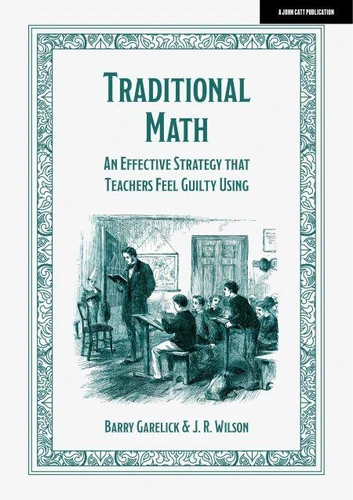
Traditional Math: An effective strategy that teachers feel guilty using
Par : ,Formats :
Disponible dans votre compte client Decitre ou Furet du Nord dès validation de votre commande. Le format ePub protégé est :
- Compatible avec une lecture sur My Vivlio (smartphone, tablette, ordinateur)
- Compatible avec une lecture sur liseuses Vivlio
- Pour les liseuses autres que Vivlio, vous devez utiliser le logiciel Adobe Digital Edition. Non compatible avec la lecture sur les liseuses Kindle, Remarkable et Sony
- Non compatible avec un achat hors France métropolitaine
 , qui est-ce ?
Notre partenaire de plateforme de lecture numérique où vous retrouverez l'ensemble de vos ebooks gratuitement
Pour en savoir plus sur nos ebooks, consultez notre aide en ligne ici
C'est si simple ! Lisez votre ebook avec l'app Vivlio sur votre tablette, mobile ou ordinateur :

- Nombre de pages464
- FormatePub
- ISBN978-1-915361-68-4
- EAN9781915361684
- Date de parution03/11/2022
- Protection num.Adobe DRM
- Infos supplémentairesepub
- ÉditeurJohn Catt
Résumé
"Despite experiencing our teaching in different times, we are both oriented to traditional math teaching. It wasn't because we were both taught that way, as some may believe, but because that method worked for us and we have seen it work for our students. It is efficient, effective, non-confusing and helped our students develop mathematical reasoning, understanding, and confidence. Most importantly it helped them to be successful." So begins the book on traditional math, which provides a glimpse of what explicit instruction looks like in the classroom for grades K through 8.
Barry Garelick and J. R. Wilson are retired math teachers who describe the methods of traditionally taught math that they used in their teaching. Their descriptions serve two purposes: 1) It provides assurance to teachers who may already practice these methods that they are not alone, and 2) For others, it may provide some new ideas.
Barry Garelick and J. R. Wilson are retired math teachers who describe the methods of traditionally taught math that they used in their teaching. Their descriptions serve two purposes: 1) It provides assurance to teachers who may already practice these methods that they are not alone, and 2) For others, it may provide some new ideas.