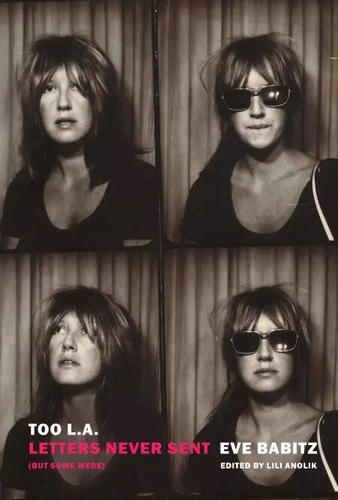
Pore over the letters of Eve Babitz-queen of the witty, gossipy, and thoroughly engrossing missive. Joan Didion, Joseph Heller, Annie Leibovitz, Paul Ruscha, Anne Rice, Steve Martin, and many others appear in this first-of-its-kind collection. Eve Babitz was a pure product of Los Angeles. The goddaughter of the avant-garde composer Igor Stravinsky, she made the scene of just about every midcentury California scene there was: from the artists of the Ferus Gallery forging a wholly West Coast art, to the genre-creating rock-and-roll bands of the 1960s and '70s, to the literary-cum-Hollywood crowd orbiting Joan Didion and John Gregory Dunne.
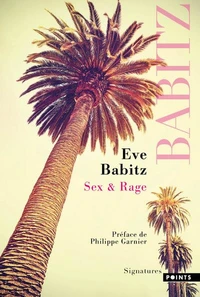
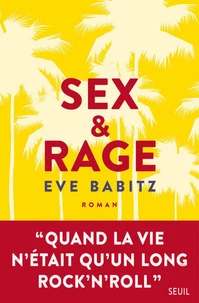
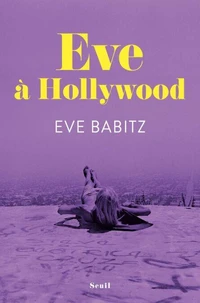
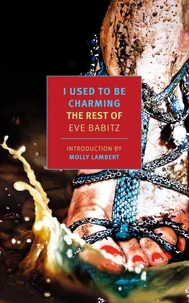
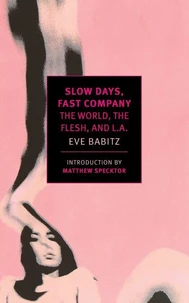
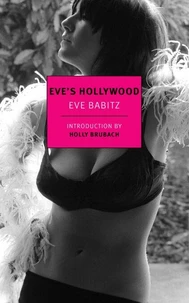
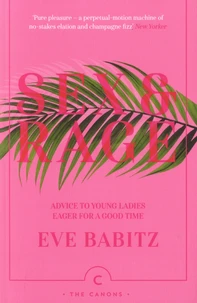
In between the partying, the drugs, the love affairs, the "squalid overboogie" of it all, Babitz made time to chronicle the world as she saw it in works like Eve's Hollywood; Slow Days, Fast Company; and Sex and Rage. Modest successes in their time, these books have found their audience in the twenty-first century, establishing themselves as the final word in literary cool. Babitz considered her letters "the kind of writing I do best, " calling them "practically a diary, " and rarely depositing them into a mailbox.
Her missives to friends like Joseph Heller, Annie Leibovitz, Paul Ruscha, and Steve Martin-fresh and frank, dashing and droll-are irresistible, as highly spirited as they are acutely perceptive. These unsent letters constitute an alternate body of Eve Babitz's work, one that might have been lost had not her sister, Mirandi, found them after her death, packed in unremarkable file boxes taped securely decades before.
In Too L. A., Babitz's biographer, Lili Anolik, has performed a remarkable feat, not only raising these letters from the tomb but accompanying them with informative and irreverent commentary, guiding the reader through the uproarious lifelong party that was Eve Babitz's real masterpiece.
Pore over the letters of Eve Babitz-queen of the witty, gossipy, and thoroughly engrossing missive. Joan Didion, Joseph Heller, Annie Leibovitz, Paul Ruscha, Anne Rice, Steve Martin, and many others appear in this first-of-its-kind collection. Eve Babitz was a pure product of Los Angeles. The goddaughter of the avant-garde composer Igor Stravinsky, she made the scene of just about every midcentury California scene there was: from the artists of the Ferus Gallery forging a wholly West Coast art, to the genre-creating rock-and-roll bands of the 1960s and '70s, to the literary-cum-Hollywood crowd orbiting Joan Didion and John Gregory Dunne.
In between the partying, the drugs, the love affairs, the "squalid overboogie" of it all, Babitz made time to chronicle the world as she saw it in works like Eve's Hollywood; Slow Days, Fast Company; and Sex and Rage. Modest successes in their time, these books have found their audience in the twenty-first century, establishing themselves as the final word in literary cool. Babitz considered her letters "the kind of writing I do best, " calling them "practically a diary, " and rarely depositing them into a mailbox.
Her missives to friends like Joseph Heller, Annie Leibovitz, Paul Ruscha, and Steve Martin-fresh and frank, dashing and droll-are irresistible, as highly spirited as they are acutely perceptive. These unsent letters constitute an alternate body of Eve Babitz's work, one that might have been lost had not her sister, Mirandi, found them after her death, packed in unremarkable file boxes taped securely decades before.
In Too L. A., Babitz's biographer, Lili Anolik, has performed a remarkable feat, not only raising these letters from the tomb but accompanying them with informative and irreverent commentary, guiding the reader through the uproarious lifelong party that was Eve Babitz's real masterpiece.


 , qui est-ce ?