SOLDES
Jusqu'à -70% sur une sélection d'articles*

Tomorrow's People. The Future of Humanity in Ten Numbers
Par :Formats :
Disponible dans votre compte client Decitre ou Furet du Nord dès validation de votre commande. Le format ePub protégé est :
- Compatible avec une lecture sur My Vivlio (smartphone, tablette, ordinateur)
- Compatible avec une lecture sur liseuses Vivlio
- Pour les liseuses autres que Vivlio, vous devez utiliser le logiciel Adobe Digital Edition. Non compatible avec la lecture sur les liseuses Kindle, Remarkable et Sony
- Non compatible avec un achat hors France métropolitaine
 , qui est-ce ?
Notre partenaire de plateforme de lecture numérique où vous retrouverez l'ensemble de vos ebooks gratuitement
Pour en savoir plus sur nos ebooks, consultez notre aide en ligne ici
C'est si simple ! Lisez votre ebook avec l'app Vivlio sur votre tablette, mobile ou ordinateur :

- Nombre de pages320
- FormatePub
- ISBN978-1-5290-4602-1
- EAN9781529046021
- Date de parution17/03/2022
- Protection num.Adobe DRM
- Infos supplémentairesepub
- ÉditeurPicador
Résumé
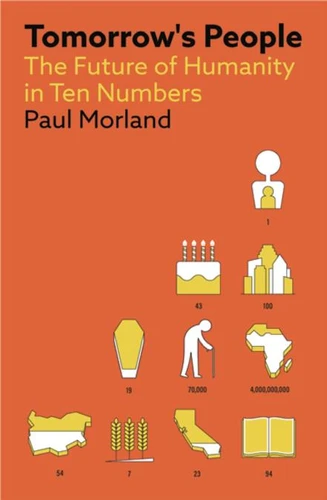
'Morland predicts the future of humanity in 10 illuminating statistics (could the Japanese and Italians now go the way of the dodo?) and looks back to how ebbs and flows of population have shaped history, such as the Soviet Union's plummeting birth rate in the 1960s, which hastened the end of the Cold War.' - The Daily Telegraph 'The Best Books for Summer 2022'The great forces of population change - the balance of births, deaths and migrations - have made the world what it is today.
They have determined which countries are superpowers and which languish in relative obscurity, which economies top the international league tables and which are at best also-rans. The same forces that have shaped our past and present are shaping our future. Illustrating this through ten illuminating indicators, from the fertility rate in Singapore (one) to the median age in Catalonia (forty-three), Paul Morland shows how demography is both a powerful and an under-appreciated lens through which to view the global transformations that are currently underway.
Tomorrow's People ranges from the countries of West Africa where the tendency towards large families is combining with falling infant mortality to create the greatest population explosion ever witnessed, to the countries of East Asia and Southern Europe where generations of low birth-rate and rising life expectancy are creating the oldest populations in history. Morland explores the geographical movements of peoples that are already under way - portents for still larger migrations ahead - which are radically changing the cultural, ethnic and religious composition of many societies across the globe, and in their turn creating political reaction that can be observed from Brexit to the rise of Donald Trump.
Finally, he looks at the two underlying motors of change - remarkable rises in levels of education and burgeoning food production - which have made all these epochal developments possible. Tomorrow's People provides a fascinating, illuminating and thought-provoking tour of an emerging new world. Nobody who wants to understand that world should be without it.
They have determined which countries are superpowers and which languish in relative obscurity, which economies top the international league tables and which are at best also-rans. The same forces that have shaped our past and present are shaping our future. Illustrating this through ten illuminating indicators, from the fertility rate in Singapore (one) to the median age in Catalonia (forty-three), Paul Morland shows how demography is both a powerful and an under-appreciated lens through which to view the global transformations that are currently underway.
Tomorrow's People ranges from the countries of West Africa where the tendency towards large families is combining with falling infant mortality to create the greatest population explosion ever witnessed, to the countries of East Asia and Southern Europe where generations of low birth-rate and rising life expectancy are creating the oldest populations in history. Morland explores the geographical movements of peoples that are already under way - portents for still larger migrations ahead - which are radically changing the cultural, ethnic and religious composition of many societies across the globe, and in their turn creating political reaction that can be observed from Brexit to the rise of Donald Trump.
Finally, he looks at the two underlying motors of change - remarkable rises in levels of education and burgeoning food production - which have made all these epochal developments possible. Tomorrow's People provides a fascinating, illuminating and thought-provoking tour of an emerging new world. Nobody who wants to understand that world should be without it.