SOLDES
Jusqu'à -70% sur une sélection d'articles*

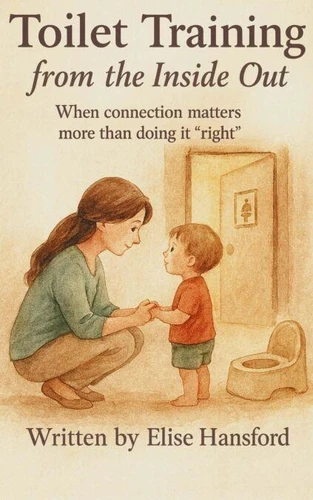
Toilet Training from the Inside Out
Par :Formats :
Disponible dans votre compte client Decitre ou Furet du Nord dès validation de votre commande. Le format ePub est :
- Compatible avec une lecture sur My Vivlio (smartphone, tablette, ordinateur)
- Compatible avec une lecture sur liseuses Vivlio
- Pour les liseuses autres que Vivlio, vous devez utiliser le logiciel Adobe Digital Edition. Non compatible avec la lecture sur les liseuses Kindle, Remarkable et Sony
 , qui est-ce ?
Notre partenaire de plateforme de lecture numérique où vous retrouverez l'ensemble de vos ebooks gratuitement
Pour en savoir plus sur nos ebooks, consultez notre aide en ligne ici
C'est si simple ! Lisez votre ebook avec l'app Vivlio sur votre tablette, mobile ou ordinateur :

- FormatePub
- ISBN8233091896
- EAN9798233091896
- Date de parution12/02/2026
- Protection num.pas de protection
- Infos supplémentairesepub
- ÉditeurLinda Balsamo
Résumé
Toilet training doesn't begin in the bathroom. It begins in the nervous system. If you're feeling pressure, confusion, or doubt about how to help your child with toilet learning, you are not alone. Toilet Training from the Inside Out offers a gentle, connection-based approach for parents who want to move away from rigid timelines and high-pressure methods. Instead of focusing only on behaviour, this book helps you understand what is happening beneath the surface - your child's readiness, regulation, resistance, and emotional safety.
Inside you'll discover:. Why toilet learning is a developmental process, not a three-day event. How nervous system regulation affects progress. What to do when your child resists or avoids the toilet. How to respond to accidents without shame. Ways to build confidence slowly and safely. Support for late starters and sensitive childrenThis is not a quick-fix method. It is a steady, respectful guide for parents who want to protect connection while supporting independence.
Because real progress happens when children feel safe - and when parents feel supported too.
Inside you'll discover:. Why toilet learning is a developmental process, not a three-day event. How nervous system regulation affects progress. What to do when your child resists or avoids the toilet. How to respond to accidents without shame. Ways to build confidence slowly and safely. Support for late starters and sensitive childrenThis is not a quick-fix method. It is a steady, respectful guide for parents who want to protect connection while supporting independence.
Because real progress happens when children feel safe - and when parents feel supported too.