SOLDES
Jusqu'à -70% sur une sélection d'articles*

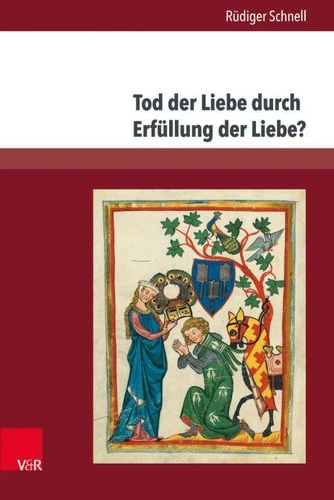
Tod der Liebe durch Erfüllung der Liebe?. Das paradoxe amoureux und die höfische Liebe
Par :Formats :
Disponible dans votre compte client Decitre ou Furet du Nord dès validation de votre commande. Le format PDF est :
- Compatible avec une lecture sur My Vivlio (smartphone, tablette, ordinateur)
- Compatible avec une lecture sur liseuses Vivlio
- Pour les liseuses autres que Vivlio, vous devez utiliser le logiciel Adobe Digital Edition. Non compatible avec la lecture sur les liseuses Kindle, Remarkable et Sony
 , qui est-ce ?
Notre partenaire de plateforme de lecture numérique où vous retrouverez l'ensemble de vos ebooks gratuitement
Pour en savoir plus sur nos ebooks, consultez notre aide en ligne ici
C'est si simple ! Lisez votre ebook avec l'app Vivlio sur votre tablette, mobile ou ordinateur :

- Nombre de pages163
- FormatPDF
- ISBN978-3-8470-0832-3
- EAN9783847008323
- Date de parution19/02/2018
- Protection num.pas de protection
- Taille5 Mo
- Infos supplémentairespdf
- ÉditeurV&R Unipress
Résumé
Endet mit der geschlechtlichen Vereinigung die Liebe des Mannes zur zuvor leidenschaftlich begehrten weiblichen Person? Diese Frage hat jahrzehntelang die Forschung zum mittelalterlichen Minnesang und zur höfischen Liebe beschäftigt. Mit und nach Leo Spitzer (1944) galt es als ausgemacht, dass die Trobadors auf die >Erfüllung< ihrer Liebe verzichtet hätten, um nicht das als süß empfundene Begehren nach dieser Erfüllung zu verlieren.
So sei also die Liebe der Trobadors von einem Paradox bestimmt: die sexuelle Vereinigung zu begehren und zugleich auf sie zu verzichten. Die vorliegende Studie fragt, inwieweit diese These vom paradoxe amoureux angesichts der (späteren) Einsichten der Trobadorforschung über >Aufführung<, Repräsentativität und Performativität noch Gültigkeit beanspruchen darf. Überdies wird die Vorstellung vom Tod der Liebe durch Erfüllung der Liebe in einen größeren Diskurshorizont gestellt. Does the love of a man for the previously passionately desired female person end with the sexual union? This question has for decades occupied the research on the medieval minnesong and on courtly love.
With and after Leo Spitzer (1944) it was considered agreed that the troubadours renounced the fulfillment of their love so as not to lose their desire perceived as sweet. Thus the love of the troubadours would have been determined by a paradox: to desire the sexual union and to renounce it at the same time. The present study asks the question to what extent this thesis of the paradoxe amoureux may still claim validity considering the (later) insights of the troubadour research about recital, representativeness and performativity.
Moreover the imagination of the death of love by fulfillment of love connected with the thesis of the paradoxe amoureux, will be placed in a larger discourse horizon. The middle ages cover a broad range of different views on the possible impacts of a sexual union on a love relationship. At the center of this study is therefore the relation of imputed psychic reality of life, discursive drafts and performative implications.
So sei also die Liebe der Trobadors von einem Paradox bestimmt: die sexuelle Vereinigung zu begehren und zugleich auf sie zu verzichten. Die vorliegende Studie fragt, inwieweit diese These vom paradoxe amoureux angesichts der (späteren) Einsichten der Trobadorforschung über >Aufführung<, Repräsentativität und Performativität noch Gültigkeit beanspruchen darf. Überdies wird die Vorstellung vom Tod der Liebe durch Erfüllung der Liebe in einen größeren Diskurshorizont gestellt. Does the love of a man for the previously passionately desired female person end with the sexual union? This question has for decades occupied the research on the medieval minnesong and on courtly love.
With and after Leo Spitzer (1944) it was considered agreed that the troubadours renounced the fulfillment of their love so as not to lose their desire perceived as sweet. Thus the love of the troubadours would have been determined by a paradox: to desire the sexual union and to renounce it at the same time. The present study asks the question to what extent this thesis of the paradoxe amoureux may still claim validity considering the (later) insights of the troubadour research about recital, representativeness and performativity.
Moreover the imagination of the death of love by fulfillment of love connected with the thesis of the paradoxe amoureux, will be placed in a larger discourse horizon. The middle ages cover a broad range of different views on the possible impacts of a sexual union on a love relationship. At the center of this study is therefore the relation of imputed psychic reality of life, discursive drafts and performative implications.