
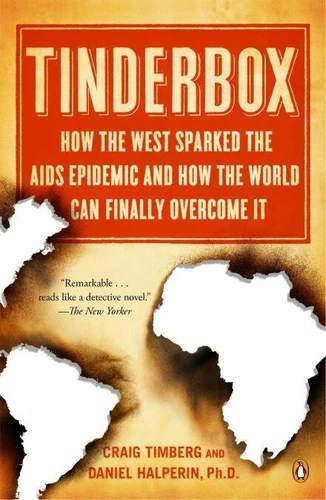
Tinderbox. How the West Sparked the AIDS Epidemic and How the World Can Finally Overcome It
Par : ,Formats :
Disponible dans votre compte client Decitre ou Furet du Nord dès validation de votre commande. Le format ePub protégé est :
- Compatible avec une lecture sur My Vivlio (smartphone, tablette, ordinateur)
- Compatible avec une lecture sur liseuses Vivlio
- Pour les liseuses autres que Vivlio, vous devez utiliser le logiciel Adobe Digital Edition. Non compatible avec la lecture sur les liseuses Kindle, Remarkable et Sony
- Non compatible avec un achat hors France métropolitaine
 , qui est-ce ?
Notre partenaire de plateforme de lecture numérique où vous retrouverez l'ensemble de vos ebooks gratuitement
Pour en savoir plus sur nos ebooks, consultez notre aide en ligne ici
C'est si simple ! Lisez votre ebook avec l'app Vivlio sur votre tablette, mobile ou ordinateur :

- Nombre de pages432
- FormatePub
- ISBN978-1-101-56061-7
- EAN9781101560617
- Date de parution01/03/2012
- Protection num.Adobe DRM
- Taille2 Mo
- Infos supplémentairesepub
- ÉditeurPenguin Books
Résumé
In this groundbreaking narrative, longtime Washington Post reporter Craig Timberg and award-winning AIDS researcher Daniel Halperin tell the surprising story of how Western colonial powers unwittingly sparked the AIDS epidemic and then fanned its rise. Drawing on remarkable new science, Tinderbox overturns the conventional wisdom on the origins of this deadly pandemic and the best ways to fight it today.
Recent genetic studies have traced the birth of HIV to the forbidding equatorial forests of Cameroon, where chimpanzees carried the virus for millennia without causing a major outbreak in humans. During the Scramble for Africa, colonial companies blazed new routes through the jungle in search of rubber and other riches, sending African porters into remote regions rarely traveled before. It was here that humans first contracted the strain of HIV that would eventually cause 99 percent of AIDS deaths around the world.
Western powers were key actors in turning a localized outbreak into a sprawling epidemic as bustling new trade routes, modern colonial cities, and the rise of prostitution sped the virus across Africa. Christian missionaries campaigned to suppress polygamy, but left in its place fractured sexual cultures that proved uncommonly vulnerable to HIV. Equally devastating was the gradual loss of the African ritual of male circumcision, which recent studies have shown offers significant protection against infection.
Timberg and Halperin argue that the same Western hubris that marked the colonial era has hamstrung the effort to fight HIV. From the United Nations AIDS program to the Bush administration's historic relief campaign, global health officials have favored well-meaning Western approaches--abstinence campaigns, condom promotion, HIV testing--that have proven ineffective in slowing the epidemic in Africa.
Meanwhile they have overlooked homegrown African initiatives aimed squarely at the behaviors spreading the virus. In a riveting narrative that stretches from colonial Leopoldville to 1980s San Francisco to South Africa today, Tinderbox reveals how human hands unleashed this epidemic and can now overcome it, if only we learn the lessons of the past.
Recent genetic studies have traced the birth of HIV to the forbidding equatorial forests of Cameroon, where chimpanzees carried the virus for millennia without causing a major outbreak in humans. During the Scramble for Africa, colonial companies blazed new routes through the jungle in search of rubber and other riches, sending African porters into remote regions rarely traveled before. It was here that humans first contracted the strain of HIV that would eventually cause 99 percent of AIDS deaths around the world.
Western powers were key actors in turning a localized outbreak into a sprawling epidemic as bustling new trade routes, modern colonial cities, and the rise of prostitution sped the virus across Africa. Christian missionaries campaigned to suppress polygamy, but left in its place fractured sexual cultures that proved uncommonly vulnerable to HIV. Equally devastating was the gradual loss of the African ritual of male circumcision, which recent studies have shown offers significant protection against infection.
Timberg and Halperin argue that the same Western hubris that marked the colonial era has hamstrung the effort to fight HIV. From the United Nations AIDS program to the Bush administration's historic relief campaign, global health officials have favored well-meaning Western approaches--abstinence campaigns, condom promotion, HIV testing--that have proven ineffective in slowing the epidemic in Africa.
Meanwhile they have overlooked homegrown African initiatives aimed squarely at the behaviors spreading the virus. In a riveting narrative that stretches from colonial Leopoldville to 1980s San Francisco to South Africa today, Tinderbox reveals how human hands unleashed this epidemic and can now overcome it, if only we learn the lessons of the past.