
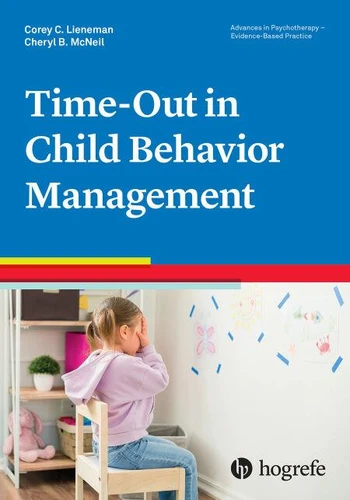
Time-Out in Child Behavior Management
Par : ,Formats :
Disponible dans votre compte client Decitre ou Furet du Nord dès validation de votre commande. Le format ePub est :
- Compatible avec une lecture sur My Vivlio (smartphone, tablette, ordinateur)
- Compatible avec une lecture sur liseuses Vivlio
- Pour les liseuses autres que Vivlio, vous devez utiliser le logiciel Adobe Digital Edition. Non compatible avec la lecture sur les liseuses Kindle, Remarkable et Sony
 , qui est-ce ?
Notre partenaire de plateforme de lecture numérique où vous retrouverez l'ensemble de vos ebooks gratuitement
Pour en savoir plus sur nos ebooks, consultez notre aide en ligne ici
C'est si simple ! Lisez votre ebook avec l'app Vivlio sur votre tablette, mobile ou ordinateur :

- Nombre de pages114
- FormatePub
- ISBN978-1-61334-509-2
- EAN9781613345092
- Date de parution01/01/2023
- Protection num.Digital Watermarking
- Taille5 Mo
- Infos supplémentairesepub
- ÉditeurHogrefe Publishing
Résumé
Practical, evidence-based guide to using time-out safely and effectively Written by leading experts Highlights applied research Reviews parent training programs Details parent-child interaction therapy Addresses controversial issues Includes downloadable tools This book is essential reading for psychologists, therapists, students, and anyone who works with children and their families. It is a compact, comprehensive guide to understanding, administering, and teaching caregivers to implement time-out effectively for child behavior management.
Readers will learn about time-out's history and scientific research base, particularly with respect to child age, cultural groups, and presenting concerns. Practitioners will appreciate the focus on applied research highlighting the efficacy of specific time-out parameters, such as duration, location, and handling escape. Overviews of behavioral parent training programs that include time-out are also provided.
The authors then share their expertise in the use of time-out in parent-child interaction therapy (PCIT), both conceptually and by using an in-depth case study. They also thoroughly examine controversial issues related to time-out, from theoretical and practical standpoints. The appendix provides the clinician with hands-on tools: step-by-step diagrams for administering time-out and managing escape, handouts for parents about issuing effective instructions, and a list of further resources.
Readers will learn about time-out's history and scientific research base, particularly with respect to child age, cultural groups, and presenting concerns. Practitioners will appreciate the focus on applied research highlighting the efficacy of specific time-out parameters, such as duration, location, and handling escape. Overviews of behavioral parent training programs that include time-out are also provided.
The authors then share their expertise in the use of time-out in parent-child interaction therapy (PCIT), both conceptually and by using an in-depth case study. They also thoroughly examine controversial issues related to time-out, from theoretical and practical standpoints. The appendix provides the clinician with hands-on tools: step-by-step diagrams for administering time-out and managing escape, handouts for parents about issuing effective instructions, and a list of further resources.