SOLDES
Jusqu'à -70% sur une sélection d'articles*

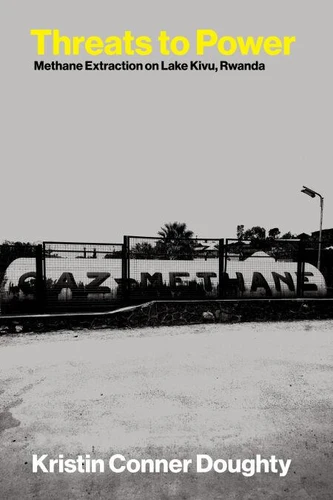
Threats to Power. Methane Extraction on Lake Kivu, Rwanda
Par :Formats :
Disponible dans votre compte client Decitre ou Furet du Nord dès validation de votre commande. Le format ePub protégé est :
- Compatible avec une lecture sur My Vivlio (smartphone, tablette, ordinateur)
- Compatible avec une lecture sur liseuses Vivlio
- Pour les liseuses autres que Vivlio, vous devez utiliser le logiciel Adobe Digital Edition. Non compatible avec la lecture sur les liseuses Kindle, Remarkable et Sony
- Non compatible avec un achat hors France métropolitaine
 , qui est-ce ?
Notre partenaire de plateforme de lecture numérique où vous retrouverez l'ensemble de vos ebooks gratuitement
Pour en savoir plus sur nos ebooks, consultez notre aide en ligne ici
C'est si simple ! Lisez votre ebook avec l'app Vivlio sur votre tablette, mobile ou ordinateur :

- Nombre de pages288
- Date de parution10/11/2026
- FormatePub
- ISBN978-0-262-05540-6
- EAN9780262055406
- Protection num.Adobe DRM
- Infos supplémentairesepub
- ÉditeurThe MIT Press
Résumé
How a dangerous gas becomes a tool of national repair in post-genocide Rwanda. At the border of Rwanda and the Democratic Republic of Congo sits Lake Kivu, an infamous freshwater lake whose scenic beauty conceals vast stores of methane and carbon dioxide. On its shores, internationally financed companies, in partnership with the Rwandan state, have built the world's only dissolved-methane-to-electricity project.
In Threats to Power, Kristin Conner Doughty situates these projects within the long shadow of Rwanda's post-genocide reconstruction, asking how a lake came to be understood as an existential danger in a region shaped by devastating human violence. Drawing on ethnographic research conducted with engineers, government officials, and communities around Kivu, Doughty examines efforts to transform methane from threat to resource-and what these efforts reveal about the exercise of contemporary forms of power.
Bringing energy into conversation with carceral geography and war ecologies, the book traces how a dangerous gas becomes a tool of national repair, uncovering the fraught relationship between technological promise, sovereign power, and the lived realities of those who dwell at the lake's edge.
In Threats to Power, Kristin Conner Doughty situates these projects within the long shadow of Rwanda's post-genocide reconstruction, asking how a lake came to be understood as an existential danger in a region shaped by devastating human violence. Drawing on ethnographic research conducted with engineers, government officials, and communities around Kivu, Doughty examines efforts to transform methane from threat to resource-and what these efforts reveal about the exercise of contemporary forms of power.
Bringing energy into conversation with carceral geography and war ecologies, the book traces how a dangerous gas becomes a tool of national repair, uncovering the fraught relationship between technological promise, sovereign power, and the lived realities of those who dwell at the lake's edge.