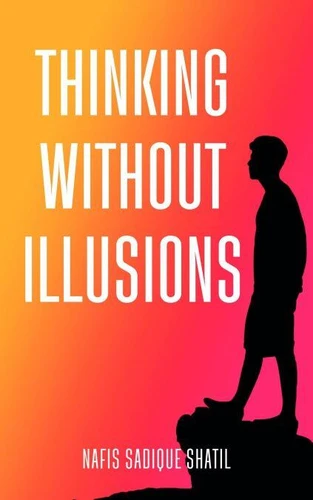
Why do some arguments sound convincing even when they are weak?Why do beliefs often feel certain long before they are carefully examined?Thinking Without Illusions explores the hidden patterns of faulty reasoning that quietly shape what people believe. These patterns, known as logical fallacies, do not usually appear as obvious mistakes. They often sound confident, familiar, emotional, or reassuring.
That is why they are so effective. This book explains twenty-five of the most common logical fallacies using clear language and everyday reasoning. Each chapter focuses on one fallacy and shows how it works, why it feels persuasive, and how it influences belief. Rather than telling readers what to believe, this book examines how beliefs are formed, justified, and protected. It looks closely at the role of authority, fear, emotion, tradition, identity, and habit in shaping conclusions.
By learning to recognize these patterns, readers gain distance from automatic agreement and emotional pressure. Written for general readers with no background in philosophy or formal logic, Thinking Without Illusions is a practical guide to clearer thinking. It is relevant to religion, politics, media, education, and everyday conversation-anywhere claims are made and reasons are offered. This book does not promise comfort or certainty.
It offers something more valuable: clarity. By learning how reasoning goes wrong, readers gain the freedom to examine ideas more carefully and decide what deserves acceptance and what requires better justification.
Why do some arguments sound convincing even when they are weak?Why do beliefs often feel certain long before they are carefully examined?Thinking Without Illusions explores the hidden patterns of faulty reasoning that quietly shape what people believe. These patterns, known as logical fallacies, do not usually appear as obvious mistakes. They often sound confident, familiar, emotional, or reassuring.
That is why they are so effective. This book explains twenty-five of the most common logical fallacies using clear language and everyday reasoning. Each chapter focuses on one fallacy and shows how it works, why it feels persuasive, and how it influences belief. Rather than telling readers what to believe, this book examines how beliefs are formed, justified, and protected. It looks closely at the role of authority, fear, emotion, tradition, identity, and habit in shaping conclusions.
By learning to recognize these patterns, readers gain distance from automatic agreement and emotional pressure. Written for general readers with no background in philosophy or formal logic, Thinking Without Illusions is a practical guide to clearer thinking. It is relevant to religion, politics, media, education, and everyday conversation-anywhere claims are made and reasons are offered. This book does not promise comfort or certainty.
It offers something more valuable: clarity. By learning how reasoning goes wrong, readers gain the freedom to examine ideas more carefully and decide what deserves acceptance and what requires better justification.