SOLDES
Jusqu'à -70% sur une sélection d'articles*

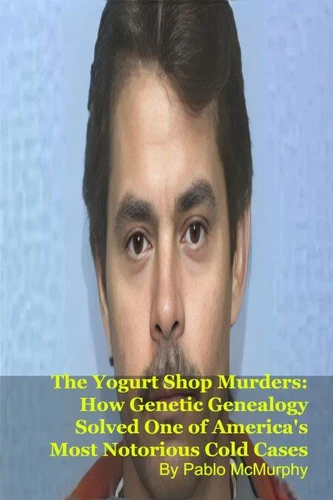
The Yogurt Shop Murders: How Genetic Genealogy Solved One of America's Most Notorious Cold Cases
Par :Formats :
Disponible dans votre compte client Decitre ou Furet du Nord dès validation de votre commande. Le format ePub est :
- Compatible avec une lecture sur My Vivlio (smartphone, tablette, ordinateur)
- Compatible avec une lecture sur liseuses Vivlio
- Pour les liseuses autres que Vivlio, vous devez utiliser le logiciel Adobe Digital Edition. Non compatible avec la lecture sur les liseuses Kindle, Remarkable et Sony
 , qui est-ce ?
Notre partenaire de plateforme de lecture numérique où vous retrouverez l'ensemble de vos ebooks gratuitement
Pour en savoir plus sur nos ebooks, consultez notre aide en ligne ici
C'est si simple ! Lisez votre ebook avec l'app Vivlio sur votre tablette, mobile ou ordinateur :

- FormatePub
- ISBN8232514174
- EAN9798232514174
- Date de parution20/02/2026
- Protection num.pas de protection
- Infos supplémentairesepub
- ÉditeurDraft2Digital
Résumé
The Yogurt Shop Murders: How Genetic Genealogy Solved One of America's Most Notorious Cold CasesBetween 1985 and 1999, Robert Eugene Brashers murdered at least eight people across five states, leaving DNA evidence at every scene. Yet he died without ever being identified, his crimes connected, or justice served-until genetic genealogy changed everything. This meticulously researched true crime investigation chronicles how a serial predator exploited the fractured American criminal justice system, committing the infamous 1991 Austin yogurt shop murders that claimed four young lives, along with brutal attacks spanning from South Carolina to Kentucky.
The book reveals the catastrophic system failures that allowed Brashers to operate freely: his early release after attempting to execute a woman in Florida, his encounter with Border Patrol carrying a murder weapon days after the Austin killings, and his five-year imprisonment in Georgia while investigators searched desperately for a killer who was locked away on unrelated charges. Drawing on extensive interviews with investigators, victims' families, wrongfully convicted men, and the genetic genealogists who finally identified Brashers in 2018, this narrative exposes how false confessions sent innocent men to death row while the real killer remained free.
It examines the revolutionary forensic techniques that solved cases decades old and asks urgent questions about parole policy, interrogation practices, DNA databases, and whether our criminal justice system can prevent the next Robert Eugene Brashers.
The book reveals the catastrophic system failures that allowed Brashers to operate freely: his early release after attempting to execute a woman in Florida, his encounter with Border Patrol carrying a murder weapon days after the Austin killings, and his five-year imprisonment in Georgia while investigators searched desperately for a killer who was locked away on unrelated charges. Drawing on extensive interviews with investigators, victims' families, wrongfully convicted men, and the genetic genealogists who finally identified Brashers in 2018, this narrative exposes how false confessions sent innocent men to death row while the real killer remained free.
It examines the revolutionary forensic techniques that solved cases decades old and asks urgent questions about parole policy, interrogation practices, DNA databases, and whether our criminal justice system can prevent the next Robert Eugene Brashers.