SOLDES
Jusqu'à -70% sur une sélection d'articles*

Nouveauté
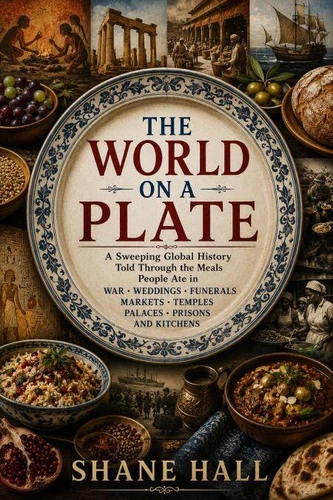
The World on a Plate: A Sweeping Global History Told Through the Meals People Ate in War, Weddings, Funerals, Markets, Temples, Palaces, Prisons, and Kitchens
Par :Formats :
Disponible dans votre compte client Decitre ou Furet du Nord dès validation de votre commande. Le format ePub est :
- Compatible avec une lecture sur My Vivlio (smartphone, tablette, ordinateur)
- Compatible avec une lecture sur liseuses Vivlio
- Pour les liseuses autres que Vivlio, vous devez utiliser le logiciel Adobe Digital Edition. Non compatible avec la lecture sur les liseuses Kindle, Remarkable et Sony
 , qui est-ce ?
Notre partenaire de plateforme de lecture numérique où vous retrouverez l'ensemble de vos ebooks gratuitement
Pour en savoir plus sur nos ebooks, consultez notre aide en ligne ici
C'est si simple ! Lisez votre ebook avec l'app Vivlio sur votre tablette, mobile ou ordinateur :

- FormatePub
- ISBN8235003118
- EAN9798235003118
- Date de parution10/06/2026
- Protection num.pas de protection
- Infos supplémentairesepub
- ÉditeurIoakim Ioakim
Résumé
History is rarely told through the food people ate. Yet every meal contains a story. From the first bread baked fourteen thousand years ago to the global dinner table of today, The World on a Plate explores the extraordinary history hidden behind ordinary meals. Inside, readers will discover:. The world's earliest known bread makers. How bread and beer helped build ancient Egypt. Why food offerings connected the living and the dead.
The bustling street food markets of Pompeii. The crops that transformed the world after 1492. The rise of coffeehouses and dangerous conversation. Wedding feasts, royal banquets, funeral foods, prison meals, wartime rations, and migrant kitchensThis is not a cookbook. It is a sweeping human history of memory, survival, empire, faith, grief, celebration, hunger, power, and belonging, told through the meals people ate.
Perfect for readers of food history, world history, cultural history, social history, archaeology, anthropology, and narrative nonfiction.
The bustling street food markets of Pompeii. The crops that transformed the world after 1492. The rise of coffeehouses and dangerous conversation. Wedding feasts, royal banquets, funeral foods, prison meals, wartime rations, and migrant kitchensThis is not a cookbook. It is a sweeping human history of memory, survival, empire, faith, grief, celebration, hunger, power, and belonging, told through the meals people ate.
Perfect for readers of food history, world history, cultural history, social history, archaeology, anthropology, and narrative nonfiction.