SOLDES
Jusqu'à -70% sur une sélection d'articles*

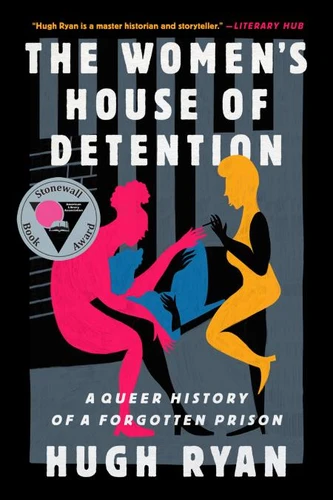
The Women's House of Detention. A Queer History of a Forgotten Prison
Par :Formats :
Disponible dans votre compte client Decitre ou Furet du Nord dès validation de votre commande. Le format ePub protégé est :
- Compatible avec une lecture sur My Vivlio (smartphone, tablette, ordinateur)
- Compatible avec une lecture sur liseuses Vivlio
- Pour les liseuses autres que Vivlio, vous devez utiliser le logiciel Adobe Digital Edition. Non compatible avec la lecture sur les liseuses Kindle, Remarkable et Sony
- Non compatible avec un achat hors France métropolitaine
 , qui est-ce ?
Notre partenaire de plateforme de lecture numérique où vous retrouverez l'ensemble de vos ebooks gratuitement
Pour en savoir plus sur nos ebooks, consultez notre aide en ligne ici
C'est si simple ! Lisez votre ebook avec l'app Vivlio sur votre tablette, mobile ou ordinateur :

- Nombre de pages368
- FormatePub
- ISBN978-1-64503-664-7
- EAN9781645036647
- Date de parution09/05/2022
- Protection num.Adobe DRM
- Infos supplémentairesepub
- ÉditeurBold Type Books
Résumé
This "crucial" (The Advocate) and "compelling" (BuzzFeed) history of a prison, and the queer women and trans people held there, is a window into the policing of queerness and radical politics in the twentieth century. The Women's House of Detention, a landmark that ushered in the modern era of women's imprisonment, is now largely forgotten. But when it stood in New York City's Greenwich Village, from 1929 to 1974, it was a nexus for the tens of thousands of individuals who inhabited its crowded cells.
Historian Hugh Ryan reconstructs the little-known lives of these incarcerated New Yorkers, making a uniquely queer case for prison abolition-and demonstrating that by queering the Village, the House of Detention helped define queerness for the rest of America. From the lesbian communities forged through the Women's House of D to the turbulent prison riots that presaged Stonewall, this is the story of one building and much more: the people it caged, the neighborhood it changed, and the resistance it inspired.
Historian Hugh Ryan reconstructs the little-known lives of these incarcerated New Yorkers, making a uniquely queer case for prison abolition-and demonstrating that by queering the Village, the House of Detention helped define queerness for the rest of America. From the lesbian communities forged through the Women's House of D to the turbulent prison riots that presaged Stonewall, this is the story of one building and much more: the people it caged, the neighborhood it changed, and the resistance it inspired.