SOLDES
Jusqu'à -70% sur une sélection d'articles*

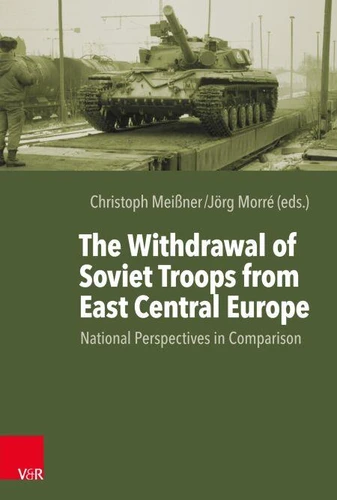
The Withdrawal of Soviet Troops from East Central Europe. National Perspectives in Comparison
Par : , , , ,Formats :
Disponible dans votre compte client Decitre ou Furet du Nord dès validation de votre commande. Le format PDF est :
- Compatible avec une lecture sur My Vivlio (smartphone, tablette, ordinateur)
- Compatible avec une lecture sur liseuses Vivlio
- Pour les liseuses autres que Vivlio, vous devez utiliser le logiciel Adobe Digital Edition. Non compatible avec la lecture sur les liseuses Kindle, Remarkable et Sony
 , qui est-ce ?
Notre partenaire de plateforme de lecture numérique où vous retrouverez l'ensemble de vos ebooks gratuitement
Pour en savoir plus sur nos ebooks, consultez notre aide en ligne ici
C'est si simple ! Lisez votre ebook avec l'app Vivlio sur votre tablette, mobile ou ordinateur :

- Nombre de pages321
- FormatPDF
- ISBN978-3-647-31127-2
- EAN9783647311272
- Date de parution11/10/2021
- Protection num.pas de protection
- Taille19 Mo
- Infos supplémentairespdf
- ÉditeurVandenhoeck & Ruprecht
Résumé
The withdrawal of Soviet troops is a so far largely unresearched process of international political and military reorganization after 1989/90, which was accompanied by political, economic, social and geopolitical factors that had different effects in different nations. The anthology contains national studies that examine the withdrawal from a scientific perspective. But it also analyses the international conditions that led to the geopolitical reorganization and reduction of weapons.
In addition to the country studies, the reforms and the collapse of the Soviet empire are examined from a military-political perspective in order to make the conditions for returning home understandable. Finally, the legacy of the retreat is also considered in the light of current policies and the current threats to the countries of East Central Europe from the increasing aggression in this geopolitical space.
In addition to the country studies, the reforms and the collapse of the Soviet empire are examined from a military-political perspective in order to make the conditions for returning home understandable. Finally, the legacy of the retreat is also considered in the light of current policies and the current threats to the countries of East Central Europe from the increasing aggression in this geopolitical space.