SOLDES
Jusqu'à -70% sur une sélection d'articles*

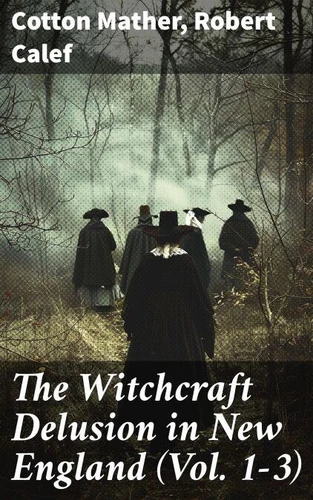
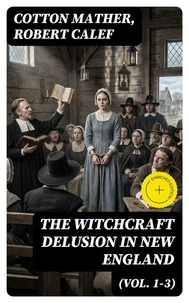
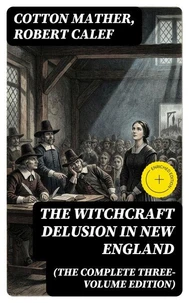
The Witchcraft Delusion in New England (Vol. 1-3). Enriched edition. Its Rise, Progress, and Termination (Complete Edition)
Par : , , ,Formats :
Disponible dans votre compte client Decitre ou Furet du Nord dès validation de votre commande. Le format ePub est :
- Compatible avec une lecture sur My Vivlio (smartphone, tablette, ordinateur)
- Compatible avec une lecture sur liseuses Vivlio
- Pour les liseuses autres que Vivlio, vous devez utiliser le logiciel Adobe Digital Edition. Non compatible avec la lecture sur les liseuses Kindle, Remarkable et Sony
 , qui est-ce ?
Notre partenaire de plateforme de lecture numérique où vous retrouverez l'ensemble de vos ebooks gratuitement
Pour en savoir plus sur nos ebooks, consultez notre aide en ligne ici
C'est si simple ! Lisez votre ebook avec l'app Vivlio sur votre tablette, mobile ou ordinateur :

- Nombre de pages607
- FormatePub
- ISBN859-65--4778185-1
- EAN8596547781851
- Date de parution18/12/2023
- Protection num.Digital Watermarking
- Taille2 Mo
- Infos supplémentairesepub
- ÉditeurGOOD PRESS
Résumé
The three-volume collection, *The Witchcraft Delusion in New England*, presents a profound exploration of the hysteria and religious fervor that gripped 17th-century New England during the notorious witch trials. Through a variety of literary styles, from Mather's zealous sermons to Calef's skeptical counterarguments, the anthology paints a vivid picture of a society caught between fear and reason, belief and skepticism.
The collection is significant as it not only documents the trials but also exposes the contrasting perspectives that fueled one of the most infamous periods in American colonial history, offering invaluable insights into early American moral and social dynamics. The contributors, predominantly Cotton Mather and Robert Calef, bring to the anthology their unique voices that embody the Puritan religious zeal and the burgeoning Enlightenment skepticism.
Mather, a staunch Puritan minister, was pivotal in propagating the witch hunts, while Calef, a merchant, famously countered the hysteria with a more rational perspective. This collection offers a rare glimpse into the period's ideological clash'-a reflection of a society at the crossroads of old-world superstitions and new-world rationality, enriching the reader's understanding of the era's cultural and intellectual upheaval.
This anthology invites readers to explore the conflicting narratives surrounding the witchcraft trials, providing a comprehensive viewpoint through the juxtaposition of divergent opinions. It is an invaluable resource for understanding the complexities of early American thought and the interplay of fear and faith. Students, scholars, and history enthusiasts alike will find this collection to be an educational treasure, offering depth and dialogue across its pages and compelling readers to ponder the eternal struggle between fear and understanding in human history. In this enriched edition, we have carefully created added value for your reading experience: - A succinct Introduction situates the work's timeless appeal and themes. - The Synopsis outlines the central plot, highlighting key developments without spoiling critical twists. - A detailed Historical Context immerses you in the era's events and influences that shaped the writing. - A thorough Analysis dissects symbols, motifs, and character arcs to unearth underlying meanings. - Reflection questions prompt you to engage personally with the work's messages, connecting them to modern life. - Hand-picked Memorable Quotes shine a spotlight on moments of literary brilliance. - Interactive footnotes clarify unusual references, historical allusions, and archaic phrases for an effortless, more informed read.
The collection is significant as it not only documents the trials but also exposes the contrasting perspectives that fueled one of the most infamous periods in American colonial history, offering invaluable insights into early American moral and social dynamics. The contributors, predominantly Cotton Mather and Robert Calef, bring to the anthology their unique voices that embody the Puritan religious zeal and the burgeoning Enlightenment skepticism.
Mather, a staunch Puritan minister, was pivotal in propagating the witch hunts, while Calef, a merchant, famously countered the hysteria with a more rational perspective. This collection offers a rare glimpse into the period's ideological clash'-a reflection of a society at the crossroads of old-world superstitions and new-world rationality, enriching the reader's understanding of the era's cultural and intellectual upheaval.
This anthology invites readers to explore the conflicting narratives surrounding the witchcraft trials, providing a comprehensive viewpoint through the juxtaposition of divergent opinions. It is an invaluable resource for understanding the complexities of early American thought and the interplay of fear and faith. Students, scholars, and history enthusiasts alike will find this collection to be an educational treasure, offering depth and dialogue across its pages and compelling readers to ponder the eternal struggle between fear and understanding in human history. In this enriched edition, we have carefully created added value for your reading experience: - A succinct Introduction situates the work's timeless appeal and themes. - The Synopsis outlines the central plot, highlighting key developments without spoiling critical twists. - A detailed Historical Context immerses you in the era's events and influences that shaped the writing. - A thorough Analysis dissects symbols, motifs, and character arcs to unearth underlying meanings. - Reflection questions prompt you to engage personally with the work's messages, connecting them to modern life. - Hand-picked Memorable Quotes shine a spotlight on moments of literary brilliance. - Interactive footnotes clarify unusual references, historical allusions, and archaic phrases for an effortless, more informed read.
A propos de Cotton Mather


0,99 €
1,99 €