SOLDES
Jusqu'à -70% sur une sélection d'articles*

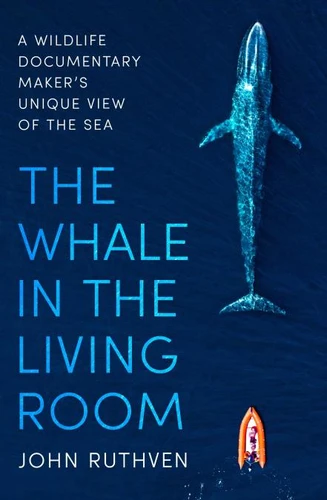
The Whale in the Living Room. A Wildlife Documentary Maker's Unique View of the Sea
Par :Formats :
Disponible dans votre compte client Decitre ou Furet du Nord dès validation de votre commande. Le format ePub protégé est :
- Compatible avec une lecture sur My Vivlio (smartphone, tablette, ordinateur)
- Compatible avec une lecture sur liseuses Vivlio
- Pour les liseuses autres que Vivlio, vous devez utiliser le logiciel Adobe Digital Edition. Non compatible avec la lecture sur les liseuses Kindle, Remarkable et Sony
- Non compatible avec un achat hors France métropolitaine
 , qui est-ce ?
Notre partenaire de plateforme de lecture numérique où vous retrouverez l'ensemble de vos ebooks gratuitement
Pour en savoir plus sur nos ebooks, consultez notre aide en ligne ici
C'est si simple ! Lisez votre ebook avec l'app Vivlio sur votre tablette, mobile ou ordinateur :

- Nombre de pages368
- FormatePub
- ISBN978-1-4721-4349-5
- EAN9781472143495
- Date de parution02/06/2021
- Protection num.Adobe DRM
- Infos supplémentairesepub
- ÉditeurRobinson
Résumé
The Whale in the Living Room follows the thrilling adventures of film-maker, John Ruthven, as he travels the globe, dives into our oceans and passionately recounts his life-affirming experiences. What creatures could remain undiscovered in the 95 per cent of the seas that have not been thoroughly explored? How vast, really, are our oceans? The surface of Mars and Venus are better known to us than Earth's seabed.
Yet to map the world's ocean to even 100-metre blocks of accuracy, something that environmentalists say is essential for its protection, could take another 300 years. Even creatures that are known to us, like the giant squid, have proved too difficult to accurately capture on film. Quite literally immersed in his subject, John can help readers understand the magnitude of our planet's oceans and why it is so important for us to protect our seas and the creatures that inhabit them.
He is the only producer to have worked full-time on both series of Blue Planet, as well as nearly fifty other films about the sea. Through his first-hand experience, John shows us the loneliness of whale calves in the deep blue, the fear of seals as they dodge great white sharks near the coast, or the curiosity of octopus staring back at us through the camera. His book takes us through the blue rings of South Pacific coral atolls, on submarine rides into the abyss with ancient life forms, and up close and personal encounters with singing humpback whales that make you feel the water around you.
The Whale in the Living Room, like the proverbial 'elephant in the room', is also about how, until recently, we have been largely blind to our polluting of the seas. John, for example, explores how plastic 'went wild' in the ocean; tries to understand how we got into this mess; and see if we can ever untangle the oceans from its grip.
Yet to map the world's ocean to even 100-metre blocks of accuracy, something that environmentalists say is essential for its protection, could take another 300 years. Even creatures that are known to us, like the giant squid, have proved too difficult to accurately capture on film. Quite literally immersed in his subject, John can help readers understand the magnitude of our planet's oceans and why it is so important for us to protect our seas and the creatures that inhabit them.
He is the only producer to have worked full-time on both series of Blue Planet, as well as nearly fifty other films about the sea. Through his first-hand experience, John shows us the loneliness of whale calves in the deep blue, the fear of seals as they dodge great white sharks near the coast, or the curiosity of octopus staring back at us through the camera. His book takes us through the blue rings of South Pacific coral atolls, on submarine rides into the abyss with ancient life forms, and up close and personal encounters with singing humpback whales that make you feel the water around you.
The Whale in the Living Room, like the proverbial 'elephant in the room', is also about how, until recently, we have been largely blind to our polluting of the seas. John, for example, explores how plastic 'went wild' in the ocean; tries to understand how we got into this mess; and see if we can ever untangle the oceans from its grip.