SOLDES
Jusqu'à -70% sur une sélection d'articles*

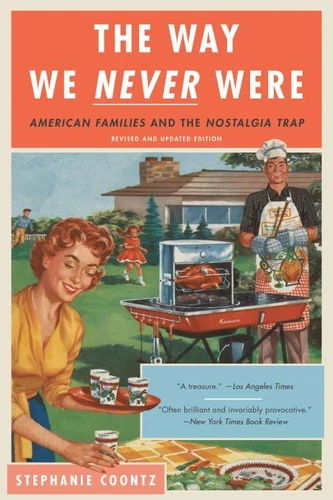
The Way We Never Were. American Families and the Nostalgia Trap
Par :Formats :
Disponible dans votre compte client Decitre ou Furet du Nord dès validation de votre commande. Le format ePub protégé est :
- Compatible avec une lecture sur My Vivlio (smartphone, tablette, ordinateur)
- Compatible avec une lecture sur liseuses Vivlio
- Pour les liseuses autres que Vivlio, vous devez utiliser le logiciel Adobe Digital Edition. Non compatible avec la lecture sur les liseuses Kindle, Remarkable et Sony
- Non compatible avec un achat hors France métropolitaine
 , qui est-ce ?
Notre partenaire de plateforme de lecture numérique où vous retrouverez l'ensemble de vos ebooks gratuitement
Pour en savoir plus sur nos ebooks, consultez notre aide en ligne ici
C'est si simple ! Lisez votre ebook avec l'app Vivlio sur votre tablette, mobile ou ordinateur :

- Nombre de pages576
- FormatePub
- ISBN978-0-465-09884-2
- EAN9780465098842
- Date de parution28/03/2016
- Protection num.Adobe DRM
- Infos supplémentairesepub
- ÉditeurBasic Books
Résumé
The classic, myth-shattering history of the American family. "The Way We Never Were?effectively demolishes the normal, traditional nuclear family as neither normal nor traditional, and not even nuclear." ?Nation Leave It to Beaver was not a documentary, a man's home has never been his castle, the "male breadwinner marriage" is the least traditional family in history, and rape and sexual assault were far higher in the 1970s than they are today.
In The Way We Never Were, acclaimed historian Stephanie Coontz examines two centuries of the American family, sweeping away misconceptions about the past that cloud current debates about domestic life. The 1950s do not present a workable model of how to conduct our personal lives today, Coontz argues, and neither does any other era from our cultural past. Coontz explores how the clash between growing gender equality and rising economic inequality is reshaping family life, marriage, and male-female relationships in our modern era.
Now more relevant than ever, The Way We Never Were is a potent corrective to dangerous nostalgia for an American tradition that never really existed.
In The Way We Never Were, acclaimed historian Stephanie Coontz examines two centuries of the American family, sweeping away misconceptions about the past that cloud current debates about domestic life. The 1950s do not present a workable model of how to conduct our personal lives today, Coontz argues, and neither does any other era from our cultural past. Coontz explores how the clash between growing gender equality and rising economic inequality is reshaping family life, marriage, and male-female relationships in our modern era.
Now more relevant than ever, The Way We Never Were is a potent corrective to dangerous nostalgia for an American tradition that never really existed.