SOLDES
Jusqu'à -70% sur une sélection d'articles*

Nouveauté
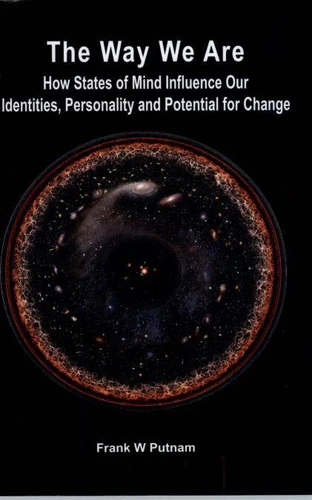
The Way We Are: How States of Mind Influence Our Identities, Personality and Potential for Change
Par :Formats :
Disponible dans votre compte client Decitre ou Furet du Nord dès validation de votre commande. Le format ePub est :
- Compatible avec une lecture sur My Vivlio (smartphone, tablette, ordinateur)
- Compatible avec une lecture sur liseuses Vivlio
- Pour les liseuses autres que Vivlio, vous devez utiliser le logiciel Adobe Digital Edition. Non compatible avec la lecture sur les liseuses Kindle, Remarkable et Sony
 , qui est-ce ?
Notre partenaire de plateforme de lecture numérique où vous retrouverez l'ensemble de vos ebooks gratuitement
Pour en savoir plus sur nos ebooks, consultez notre aide en ligne ici
C'est si simple ! Lisez votre ebook avec l'app Vivlio sur votre tablette, mobile ou ordinateur :

- FormatePub
- ISBN8235658073
- EAN9798235658073
- Date de parution14/05/2026
- Protection num.pas de protection
- Infos supplémentairesepub
- ÉditeurIoakim Ioakim
Résumé
Drawing on scientific research from diverse disciplines coupled with his ground-breaking work with dissociative states of consciousness, Dr. Frank. W. Putnam describes the psychobiology of states of mind and traces their roles in normal and abnormal mental phenomena from newborns to meditating Zenmonks. PTSD, drugs, addictions, thrill-seeking, multiple personality disorder, peak states, epiphanies, meditation, sex, and hypnosis provide further examplesof the insights that a behavioral states of mind perspective provides on human behavior and potential for change - for better or worse.
A Professor ofPsychiatry at the University of North Carolina and Emeritus Professor of Pediatrics, Dr. Putnam is the author of over 200 scientific articles and 4 books - mostrecently, Old Before Their Time: A Scientific life Investigating How Maltreatment Harms Children and the Adults They Become (Routledge, 2026), which describes his 35 + year prospective study of the effects of childhood sexual abuse on female development.
A Professor ofPsychiatry at the University of North Carolina and Emeritus Professor of Pediatrics, Dr. Putnam is the author of over 200 scientific articles and 4 books - mostrecently, Old Before Their Time: A Scientific life Investigating How Maltreatment Harms Children and the Adults They Become (Routledge, 2026), which describes his 35 + year prospective study of the effects of childhood sexual abuse on female development.