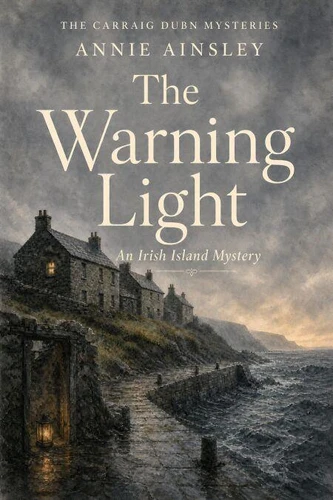
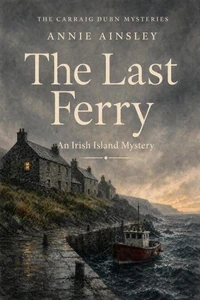
The island of Carraig Dubh has a ghost story it is proud of: the warning light of Port an Iolair, seen moving through the roofless village before every death on the island for as long as anyone can remember. When a popular television crew arrives to film it, the island takes their money and keeps its face straight. Then their presenter, a kind and stubborn man named Rory Hume, is found dead on a hearthstone in the ninth house on the right, his torch burning, his notebook dry in the rain beside him.
The producer faked a ghost with a bedsheet and a drone, and the island is delighted to blame her. But Róise Gallagher, shopkeeper, postmistress and the island's only nurse, has fourteen minutes of real light on a memory card that no bedsheet explains, and a dead man's notebook with a line in it three days older than his death: do not let her think it was her fault. What Róise follows is a light three feet six inches off the ground, a gallon of paraffin bought every October for sixty years, a gap in a parish register, and a walled square of grass behind the last house where seventy years of small white stones lie in the grass; and at the end of it, an old woman she has loved all her life, and a sorrow the whole island has spent two hundred years agreeing not to see.
A mystery about the stories a place tells to keep from looking at itself, and about the one neighbour who kept watch in the dark while everybody else stayed home and called her a ghost.
The island of Carraig Dubh has a ghost story it is proud of: the warning light of Port an Iolair, seen moving through the roofless village before every death on the island for as long as anyone can remember. When a popular television crew arrives to film it, the island takes their money and keeps its face straight. Then their presenter, a kind and stubborn man named Rory Hume, is found dead on a hearthstone in the ninth house on the right, his torch burning, his notebook dry in the rain beside him.
The producer faked a ghost with a bedsheet and a drone, and the island is delighted to blame her. But Róise Gallagher, shopkeeper, postmistress and the island's only nurse, has fourteen minutes of real light on a memory card that no bedsheet explains, and a dead man's notebook with a line in it three days older than his death: do not let her think it was her fault. What Róise follows is a light three feet six inches off the ground, a gallon of paraffin bought every October for sixty years, a gap in a parish register, and a walled square of grass behind the last house where seventy years of small white stones lie in the grass; and at the end of it, an old woman she has loved all her life, and a sorrow the whole island has spent two hundred years agreeing not to see.
A mystery about the stories a place tells to keep from looking at itself, and about the one neighbour who kept watch in the dark while everybody else stayed home and called her a ghost.