SOLDES
Jusqu'à -70% sur une sélection d'articles*

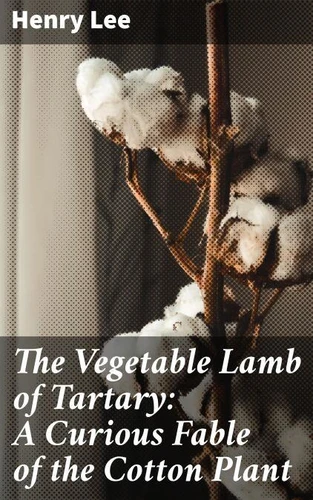
The Vegetable Lamb of Tartary: A Curious Fable of the Cotton Plant. To Which Is Added a Sketch of the History of Cotton and the Cotton Trade
Par :Formats :
Disponible dans votre compte client Decitre ou Furet du Nord dès validation de votre commande. Le format ePub est :
- Compatible avec une lecture sur My Vivlio (smartphone, tablette, ordinateur)
- Compatible avec une lecture sur liseuses Vivlio
- Pour les liseuses autres que Vivlio, vous devez utiliser le logiciel Adobe Digital Edition. Non compatible avec la lecture sur les liseuses Kindle, Remarkable et Sony
 , qui est-ce ?
Notre partenaire de plateforme de lecture numérique où vous retrouverez l'ensemble de vos ebooks gratuitement
Pour en savoir plus sur nos ebooks, consultez notre aide en ligne ici
C'est si simple ! Lisez votre ebook avec l'app Vivlio sur votre tablette, mobile ou ordinateur :

- Nombre de pages643
- FormatePub
- ISBN406-4-06-615605-3
- EAN4064066156053
- Date de parution18/12/2019
- Protection num.Digital Watermarking
- Taille1 Mo
- Infos supplémentairesepub
- ÉditeurGOOD PRESS
Résumé
Henry Lee's "The Vegetable Lamb of Tartary: A Curious Fable of the Cotton Plant" intricately weaves together folklore and natural history, exploring an exotic and mythical narrative that highlights the relationship between culture and agriculture. Through a blend of enchanting prose and vivid imagery, Lee delves into the legendary 'vegetable lamb, ' a strange creature believed to sprout from the earth while tethered to cotton plants.
The book mirrors the 19th-century fascination with the natural world, serving both as an allegorical exploration of the interplay between humanity and nature and as a commentary on the myths that shaped early understanding of botanical phenomena. Henry Lee, an esteemed folklorist and naturalist, was deeply influenced by the burgeoning interest in botany during his time, as well as the colonial narratives surrounding exotic plants and commodities.
His extensive travels and keen observations fostered a unique perspective, allowing him to bridge the gap between scientific inquiry and imaginative storytelling. This duality in Lee's work not only enriches his writing but also reflects the cultural zeitgeist of the Victorian era, where curiosity and skepticism coexisted. Readers seeking a deeper understanding of the whimsical intersections between myth and reality in botanical lore will find "The Vegetable Lamb of Tartary" an enlightening read.
Lee's masterful storytelling invites a reevaluation of our perceptions of nature and highlights the profound connections humans have with the world around them. This book is a must-read for those interested in folklore, ecology, and the history of botany.
The book mirrors the 19th-century fascination with the natural world, serving both as an allegorical exploration of the interplay between humanity and nature and as a commentary on the myths that shaped early understanding of botanical phenomena. Henry Lee, an esteemed folklorist and naturalist, was deeply influenced by the burgeoning interest in botany during his time, as well as the colonial narratives surrounding exotic plants and commodities.
His extensive travels and keen observations fostered a unique perspective, allowing him to bridge the gap between scientific inquiry and imaginative storytelling. This duality in Lee's work not only enriches his writing but also reflects the cultural zeitgeist of the Victorian era, where curiosity and skepticism coexisted. Readers seeking a deeper understanding of the whimsical intersections between myth and reality in botanical lore will find "The Vegetable Lamb of Tartary" an enlightening read.
Lee's masterful storytelling invites a reevaluation of our perceptions of nature and highlights the profound connections humans have with the world around them. This book is a must-read for those interested in folklore, ecology, and the history of botany.