SOLDES
Jusqu'à -70% sur une sélection d'articles*

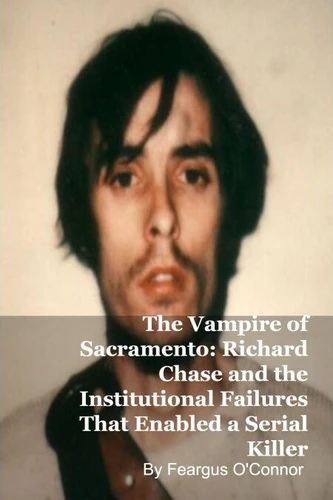
The Vampire of Sacramento: Richard Chase and the Institutional Failures That Enabled a Serial Killer
Par :Formats :
Disponible dans votre compte client Decitre ou Furet du Nord dès validation de votre commande. Le format ePub est :
- Compatible avec une lecture sur My Vivlio (smartphone, tablette, ordinateur)
- Compatible avec une lecture sur liseuses Vivlio
- Pour les liseuses autres que Vivlio, vous devez utiliser le logiciel Adobe Digital Edition. Non compatible avec la lecture sur les liseuses Kindle, Remarkable et Sony
 , qui est-ce ?
Notre partenaire de plateforme de lecture numérique où vous retrouverez l'ensemble de vos ebooks gratuitement
Pour en savoir plus sur nos ebooks, consultez notre aide en ligne ici
C'est si simple ! Lisez votre ebook avec l'app Vivlio sur votre tablette, mobile ou ordinateur :

- FormatePub
- ISBN8233019630
- EAN9798233019630
- Date de parution15/02/2026
- Protection num.pas de protection
- Infos supplémentairesepub
- ÉditeurLinda Balsamo
Résumé
The Vampire of Sacramento: Richard Chase and the Institutional Failures That Enabled a Serial Killer In January 1978, Sacramento became the hunting ground for one of America's most disturbing serial killers. Richard Trenton Chase murdered six people in four weeks, driven by schizophrenic delusions that his blood was turning to powder and that he needed to consume human organs to survive. But this meticulously researched account reveals that Chase's crimes were not simply the work of a madman-they were the inevitable result of catastrophic failures across every institution designed to prevent such violence. Drawing on psychiatric records, court transcripts, and forensic evidence, this book traces Chase's trajectory from an abused child through failed psychiatric interventions to his final suicide on death row.
Each chapter examines a different dimension of the case: the childhood trauma that seeded his pathology, the psychiatric system that released him prematurely, the family that discontinued his medication, the law enforcement encounter that missed a critical intervention opportunity, and the legal proceedings that grappled with his obvious insanity. More than a true crime narrative, this is an institutional autopsy examining how mental health policy, civil commitment laws, and systemic coordination failures enabled a preventable tragedy.
The final chapter demonstrates that four decades later, the same failures continue to produce similar outcomes, making Chase's case not historical curiosity but urgent warning about problems that remain unresolved.
Each chapter examines a different dimension of the case: the childhood trauma that seeded his pathology, the psychiatric system that released him prematurely, the family that discontinued his medication, the law enforcement encounter that missed a critical intervention opportunity, and the legal proceedings that grappled with his obvious insanity. More than a true crime narrative, this is an institutional autopsy examining how mental health policy, civil commitment laws, and systemic coordination failures enabled a preventable tragedy.
The final chapter demonstrates that four decades later, the same failures continue to produce similar outcomes, making Chase's case not historical curiosity but urgent warning about problems that remain unresolved.