
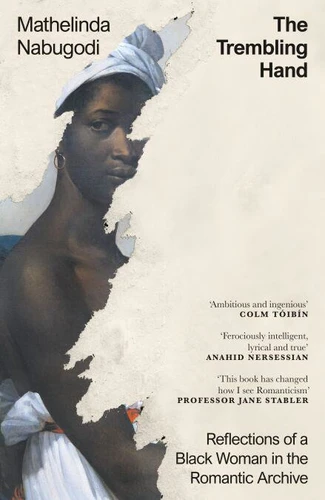
The Trembling Hand. A radical reframing of British Romanticism for fans of David Olusoga and Emma Dabiri
Par :Formats :
Disponible dans votre compte client Decitre ou Furet du Nord dès validation de votre commande. Le format ePub protégé est :
- Compatible avec une lecture sur My Vivlio (smartphone, tablette, ordinateur)
- Compatible avec une lecture sur liseuses Vivlio
- Pour les liseuses autres que Vivlio, vous devez utiliser le logiciel Adobe Digital Edition. Non compatible avec la lecture sur les liseuses Kindle, Remarkable et Sony
- Non compatible avec un achat hors France métropolitaine
 , qui est-ce ?
Notre partenaire de plateforme de lecture numérique où vous retrouverez l'ensemble de vos ebooks gratuitement
Pour en savoir plus sur nos ebooks, consultez notre aide en ligne ici
C'est si simple ! Lisez votre ebook avec l'app Vivlio sur votre tablette, mobile ou ordinateur :

- Nombre de pages448
- FormatePub
- ISBN978-0-241-99721-5
- EAN9780241997215
- Date de parution31/07/2025
- Protection num.Adobe DRM
- Infos supplémentairesepub
- ÉditeurPENGUIN
Résumé
LONGLISTED FOR THE DIVERSE BOOK AWARDS 2026Bracing and essential, a radical reframing of British Romanticism through the lens of Black experience - for fans of David Olusoga, Gretchen Gerzina, Saidiya Hartman and Emma Dabiri'A masterpiece about how history is made, written with power and ferocity' Boston GlobeWordsworth, Shelley, Byron, Keats - the Romantic poets are titans of English literature, taught and celebrated around the world.
Their writings are associated with the sublime power of nature and revolutionary politics. But these literary icons also lived through the climax of the transatlantic slave economy. They witnessed both the explosion of the abolition movement - and the reactionary formation of white supremacist ideologies. The Trembling Hand examines how the lives and works of six major Romantic authors were entangled with the racial politics of their era.
Mathelinda Nabugodi studies manuscripts and archival treasures - a teacup, a baby rattle, a lock of hair - to recover startling links between the poetry of freedom and the practices of slavery in the Romantic period.'Urgent .
Their writings are associated with the sublime power of nature and revolutionary politics. But these literary icons also lived through the climax of the transatlantic slave economy. They witnessed both the explosion of the abolition movement - and the reactionary formation of white supremacist ideologies. The Trembling Hand examines how the lives and works of six major Romantic authors were entangled with the racial politics of their era.
Mathelinda Nabugodi studies manuscripts and archival treasures - a teacup, a baby rattle, a lock of hair - to recover startling links between the poetry of freedom and the practices of slavery in the Romantic period.'Urgent .