SOLDES
Jusqu'à -70% sur une sélection d'articles*

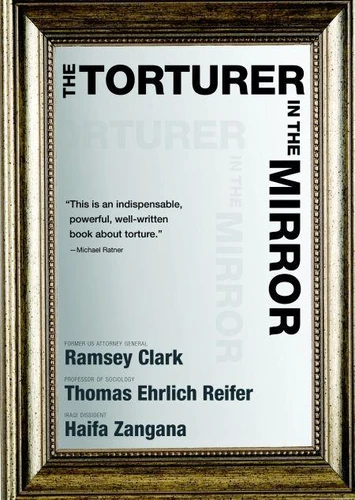
The Torturer in the Mirror
Par : , ,Formats :
Disponible dans votre compte client Decitre ou Furet du Nord dès validation de votre commande. Le format ePub protégé est :
- Compatible avec une lecture sur My Vivlio (smartphone, tablette, ordinateur)
- Compatible avec une lecture sur liseuses Vivlio
- Pour les liseuses autres que Vivlio, vous devez utiliser le logiciel Adobe Digital Edition. Non compatible avec la lecture sur les liseuses Kindle, Remarkable et Sony
- Non compatible avec un achat hors France métropolitaine
 , qui est-ce ?
Notre partenaire de plateforme de lecture numérique où vous retrouverez l'ensemble de vos ebooks gratuitement
Pour en savoir plus sur nos ebooks, consultez notre aide en ligne ici
C'est si simple ! Lisez votre ebook avec l'app Vivlio sur votre tablette, mobile ou ordinateur :

- Nombre de pages80
- FormatePub
- ISBN978-1-60980-315-5
- EAN9781609803155
- Date de parution04/01/2011
- Protection num.Adobe DRM
- Taille2 Mo
- Infos supplémentairesepub
- ÉditeurSeven Stories Press
Résumé
Before the US invasion of Iraq, before the American public saw the infamous photos from Abu Ghraib, the CIA went to the White House with a question: What, according to the Constitution, was the line separating interrogation from torture-and could that line be moved? The White House lawyers' answer-in the form of legal documents later known as the "Torture Memos"-became the US's justification for engaging in torture.
The Torturer in the Mirror shows us how when one of us tortures, we are all implicated in the crime. In three uncompromising essays, Iraqi dissident Haifa Zangana, former US Attorney General Ramsey Clark, and professor of sociology Thomas Ehrlich Reifer teach us how physically and psychologically insidious torture is, how deep a mark it leaves on both its victims and its practitioners, and how necessary it is for us as a society to hold torturers accountable.
The Torturer in the Mirror shows us how when one of us tortures, we are all implicated in the crime. In three uncompromising essays, Iraqi dissident Haifa Zangana, former US Attorney General Ramsey Clark, and professor of sociology Thomas Ehrlich Reifer teach us how physically and psychologically insidious torture is, how deep a mark it leaves on both its victims and its practitioners, and how necessary it is for us as a society to hold torturers accountable.