SOLDES
Jusqu'à -70% sur une sélection d'articles*

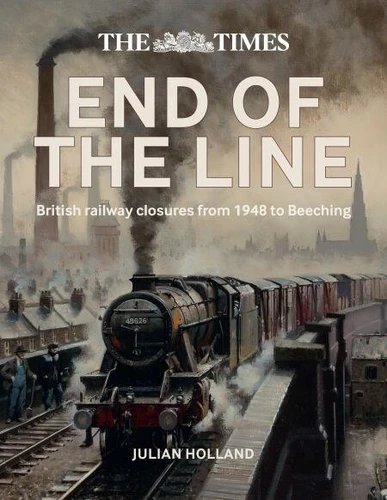
The Times End of the Line. British railway closures from 1948 to Beeching
Par :Formats :
Disponible dans votre compte client Decitre ou Furet du Nord dès validation de votre commande. Le format Non renseigné protégé est :
- Pour les liseuses autres que Vivlio, vous devez utiliser le logiciel Adobe Digital Edition. Non compatible avec la lecture sur les liseuses Kindle, Remarkable et Sony
- Non compatible avec un achat hors France métropolitaine
 , qui est-ce ?
Notre partenaire de plateforme de lecture numérique où vous retrouverez l'ensemble de vos ebooks gratuitement
Pour en savoir plus sur nos ebooks, consultez notre aide en ligne ici
C'est si simple ! Lisez votre ebook avec l'app Vivlio sur votre tablette, mobile ou ordinateur :

- Nombre de pages256
- FormatNon renseigné
- ISBN978-0-00-846801-9
- EAN9780008468019
- Date de parution13/10/2022
- Protection num.Adobe DRM
- ÉditeurCollins
Résumé
Covering the period from 1948 to 1996, The Times End of the Line chronologically traces the history of more than 400 long forgotten railway lines, region by region, from their opening to closure and a few cases to reopening.
For such a small country, Britain once possessed one of the most extensive rail networks in the world which, by the outbreak of the First World War, it had reached a peak of 23, 440 route miles.
Two world wars and nationalisation of the railways brought about significant closures.
Then on 27 March 1963 Dr Richard Beeching's report, The Reshaping of British Railways, was published. This was the final nail in the coffin for Britain's railways which eventually brought closure over the following years to a further 4, 500 route miles, 2, 500 stations and the loss of 67, 700 jobs. This comprehensive guide will be illustrated with regional maps and rare archive photographs, transporting the reader back to the era of steam when railways still played an important role in daily life.
Then on 27 March 1963 Dr Richard Beeching's report, The Reshaping of British Railways, was published. This was the final nail in the coffin for Britain's railways which eventually brought closure over the following years to a further 4, 500 route miles, 2, 500 stations and the loss of 67, 700 jobs. This comprehensive guide will be illustrated with regional maps and rare archive photographs, transporting the reader back to the era of steam when railways still played an important role in daily life.
A propos de Julian Holland


20,99 €
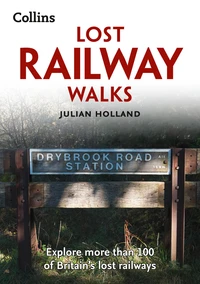
Lost Railway Walks
E-book
10,59 €