SOLDES
Jusqu'à -70% sur une sélection d'articles*

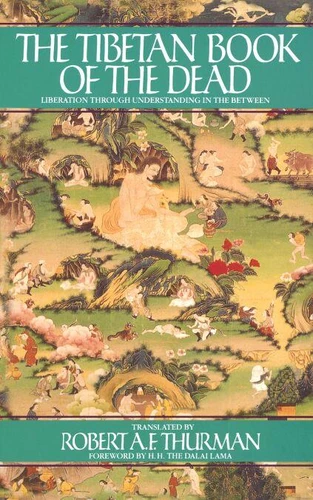
The Tibetan Book of the Dead
Par :Formats :
Disponible dans votre compte client Decitre ou Furet du Nord dès validation de votre commande. Le format ePub protégé est :
- Compatible avec une lecture sur My Vivlio (smartphone, tablette, ordinateur)
- Compatible avec une lecture sur liseuses Vivlio
- Pour les liseuses autres que Vivlio, vous devez utiliser le logiciel Adobe Digital Edition. Non compatible avec la lecture sur les liseuses Kindle, Remarkable et Sony
- Non compatible avec un achat hors France métropolitaine
 , qui est-ce ?
Notre partenaire de plateforme de lecture numérique où vous retrouverez l'ensemble de vos ebooks gratuitement
Pour en savoir plus sur nos ebooks, consultez notre aide en ligne ici
C'est si simple ! Lisez votre ebook avec l'app Vivlio sur votre tablette, mobile ou ordinateur :

- Nombre de pages304
- FormatePub
- ISBN978-0-307-78402-5
- EAN9780307784025
- Date de parution02/02/2011
- Protection num.Adobe DRM
- Taille6 Mo
- Infos supplémentairesepub
- ÉditeurBANTAM
Résumé
The most accessible and informative version of the Buddhist classic available in English, with instruction in meditation, illuminating commentary, and guidance in the practical use of the prayers The so-called "Tibetan Book of the Dead" has been renowned for centuries as a cornerstone of Buddhist wisdom and religious thought. More recently, it has become highly influential in the Western world for its psychological insights into the processes of death and dying-and what they can teach us about the ways we live our lives.
It has also been found to be helpful in the grieving process by people who have recently lost their loved ones. Composed in the eighth century C. E., it is intended to prepare the soul for the trials and transformations of the afterworld. Its profound message is that the art of dying is as important as the art of living. Drawing on Tibetan spiritual traditions, it shows us the workings of the mind in its various manifestations-terrifying and comforting, wrathful and beautiful-which appear more clearly after death in the consciousness of the deceased.
By recognizing these manifestations, we can attain a state of enlightenment, both in this existence and in the existence to come. This authoritative translation preserves the form and spirit of the original and was prepared especially for Western readers by Robert A. F. Thurman, one of the most prominent Tibetan scholars in America and a close associate of His Holiness the Dalai Lama's.
It has also been found to be helpful in the grieving process by people who have recently lost their loved ones. Composed in the eighth century C. E., it is intended to prepare the soul for the trials and transformations of the afterworld. Its profound message is that the art of dying is as important as the art of living. Drawing on Tibetan spiritual traditions, it shows us the workings of the mind in its various manifestations-terrifying and comforting, wrathful and beautiful-which appear more clearly after death in the consciousness of the deceased.
By recognizing these manifestations, we can attain a state of enlightenment, both in this existence and in the existence to come. This authoritative translation preserves the form and spirit of the original and was prepared especially for Western readers by Robert A. F. Thurman, one of the most prominent Tibetan scholars in America and a close associate of His Holiness the Dalai Lama's.