SOLDES
Jusqu'à -70% sur une sélection d'articles*

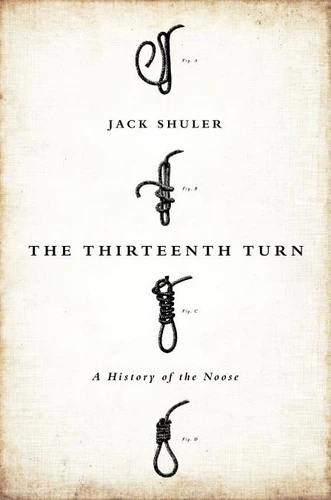
The Thirteenth Turn. A History of the Noose
Par :Formats :
Disponible dans votre compte client Decitre ou Furet du Nord dès validation de votre commande. Le format ePub protégé est :
- Compatible avec une lecture sur My Vivlio (smartphone, tablette, ordinateur)
- Compatible avec une lecture sur liseuses Vivlio
- Pour les liseuses autres que Vivlio, vous devez utiliser le logiciel Adobe Digital Edition. Non compatible avec la lecture sur les liseuses Kindle, Remarkable et Sony
- Non compatible avec un achat hors France métropolitaine
 , qui est-ce ?
Notre partenaire de plateforme de lecture numérique où vous retrouverez l'ensemble de vos ebooks gratuitement
Pour en savoir plus sur nos ebooks, consultez notre aide en ligne ici
C'est si simple ! Lisez votre ebook avec l'app Vivlio sur votre tablette, mobile ou ordinateur :

- Nombre de pages368
- FormatePub
- ISBN978-1-61039-137-5
- EAN9781610391375
- Date de parution25/08/2014
- Protection num.Adobe DRM
- Infos supplémentairesepub
- ÉditeurPublicAffairs
Résumé
The story of a rope, a symbol, and rough justice in America. The hangman's knot is a simple thing to tie, just a rope carefully coiled around itself up to thirteen times. But in those thirteen turns lie a powerful symbol, one that is all too deeply connected to America's past -- and present. The last man to be hanged in the United States was Billy Bailey, who was executed in Delaware in 1996 for committing a double murder.
Even today, hanging is still legal, in certain situations, in New Hampshire and Washington. And the noose remains a potent cultural symbol. An incident in Jena, Louisiana, in 2006, in which nooses were used to menace black students, made national news. Yet little has changed: according to author Jack Shuler, there have been nearly 100 "noose incidents" just in the last two years. The Thirteenth Turn unravels these stories, from Judas Iscariot, perhaps the most infamous hanged man, to the killing of Perry Smith and Richard Hickock, the murderers at the heart of Truman Capote's In Cold Blood, and beyond.
In his travels across America, Shuler traces the evolution of this dark practice. As he investigates the death of John Brown, or the 1930 lynching that inspired the song "Strange Fruit, " he finds that the very places that perpetrated these acts now seek to forget them. Shuler's account is a kind of shadow history of America: a reminder that vigilantes and hangmen play a crucial role in our national story.
The Thirteenth Turn is a courageous and searching book that reminds us where we come from, and what is lost if we forget.
Even today, hanging is still legal, in certain situations, in New Hampshire and Washington. And the noose remains a potent cultural symbol. An incident in Jena, Louisiana, in 2006, in which nooses were used to menace black students, made national news. Yet little has changed: according to author Jack Shuler, there have been nearly 100 "noose incidents" just in the last two years. The Thirteenth Turn unravels these stories, from Judas Iscariot, perhaps the most infamous hanged man, to the killing of Perry Smith and Richard Hickock, the murderers at the heart of Truman Capote's In Cold Blood, and beyond.
In his travels across America, Shuler traces the evolution of this dark practice. As he investigates the death of John Brown, or the 1930 lynching that inspired the song "Strange Fruit, " he finds that the very places that perpetrated these acts now seek to forget them. Shuler's account is a kind of shadow history of America: a reminder that vigilantes and hangmen play a crucial role in our national story.
The Thirteenth Turn is a courageous and searching book that reminds us where we come from, and what is lost if we forget.