SOLDES
Jusqu'à -70% sur une sélection d'articles*

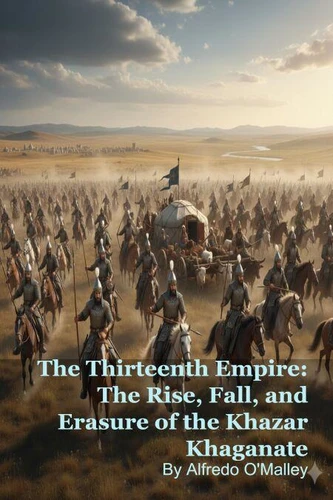
The Thirteenth Empire: The Rise, Fall, and Erasure of the Khazar Khaganate
Par :Formats :
Disponible dans votre compte client Decitre ou Furet du Nord dès validation de votre commande. Le format ePub est :
- Compatible avec une lecture sur My Vivlio (smartphone, tablette, ordinateur)
- Compatible avec une lecture sur liseuses Vivlio
- Pour les liseuses autres que Vivlio, vous devez utiliser le logiciel Adobe Digital Edition. Non compatible avec la lecture sur les liseuses Kindle, Remarkable et Sony
 , qui est-ce ?
Notre partenaire de plateforme de lecture numérique où vous retrouverez l'ensemble de vos ebooks gratuitement
Pour en savoir plus sur nos ebooks, consultez notre aide en ligne ici
C'est si simple ! Lisez votre ebook avec l'app Vivlio sur votre tablette, mobile ou ordinateur :

- FormatePub
- ISBN8233011337
- EAN9798233011337
- Date de parution23/02/2026
- Protection num.pas de protection
- Infos supplémentairesepub
- ÉditeurLinda Balsamo
Résumé
The Thirteenth Empire: The Rise, Fall, and Erasure of the Khazar KhaganateFor three centuries, the Khazar Khaganate stood at the hinge of the medieval world - a Jewish-ruled steppe empire that stopped the Arab conquests at the Caucasian passes, organized one of history's most important commercial arteries, and governed a polyethnic population through institutional arrangements the surrounding civilizations were ideologically incapable of replicating.
Yet the Khazars were so thoroughly erased by Sviatoslav's campaigns of the 960s that their capital's location was disputed for a millennium. The Gatekeeper is the first comprehensive narrative history of the Khazar Khaganate for general readers. Drawing on Arabic geographical sources, Byzantine chronicles, the Khazar Correspondence, recent archaeological work at Samosdelka, and the growing ancient DNA literature, it reconstructs the full arc of Khazar civilization: from the fragmentation of the Göktürk empire through the Arab-Khazar wars, the remarkable conversion to Judaism, the pluralistic seven-judge court, the commercial infrastructure of the Khazarian Way, and the long decline that ended in deliberate destruction.
The book also confronts the Khaganate's darkest dimensions - the slave trade, the coercive tributary system - and examines the intensely politicized modern scholarship, including the debunked Khazar Hypothesis of Ashkenazi Jewish ancestry. What emerges is a portrait of a civilization that made the medieval world possible and was erased for doing so.
Yet the Khazars were so thoroughly erased by Sviatoslav's campaigns of the 960s that their capital's location was disputed for a millennium. The Gatekeeper is the first comprehensive narrative history of the Khazar Khaganate for general readers. Drawing on Arabic geographical sources, Byzantine chronicles, the Khazar Correspondence, recent archaeological work at Samosdelka, and the growing ancient DNA literature, it reconstructs the full arc of Khazar civilization: from the fragmentation of the Göktürk empire through the Arab-Khazar wars, the remarkable conversion to Judaism, the pluralistic seven-judge court, the commercial infrastructure of the Khazarian Way, and the long decline that ended in deliberate destruction.
The book also confronts the Khaganate's darkest dimensions - the slave trade, the coercive tributary system - and examines the intensely politicized modern scholarship, including the debunked Khazar Hypothesis of Ashkenazi Jewish ancestry. What emerges is a portrait of a civilization that made the medieval world possible and was erased for doing so.