
Nouveauté
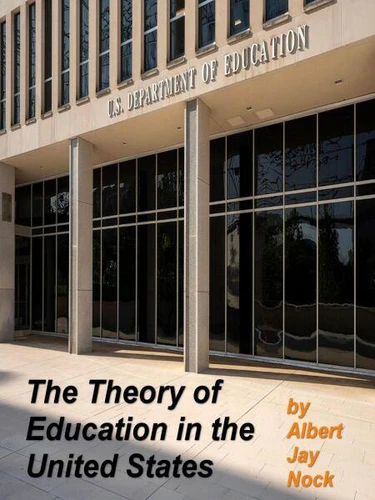
The Theory of Education in the United States
Par :Formats :
Disponible dans votre compte client Decitre ou Furet du Nord dès validation de votre commande. Le format ePub est :
- Compatible avec une lecture sur My Vivlio (smartphone, tablette, ordinateur)
- Compatible avec une lecture sur liseuses Vivlio
- Pour les liseuses autres que Vivlio, vous devez utiliser le logiciel Adobe Digital Edition. Non compatible avec la lecture sur les liseuses Kindle, Remarkable et Sony
 , qui est-ce ?
Notre partenaire de plateforme de lecture numérique où vous retrouverez l'ensemble de vos ebooks gratuitement
Pour en savoir plus sur nos ebooks, consultez notre aide en ligne ici
C'est si simple ! Lisez votre ebook avec l'app Vivlio sur votre tablette, mobile ou ordinateur :

- FormatePub
- ISBN8902439035
- EAN9798902439035
- Date de parution18/07/2026
- Protection num.Digital Watermarking
- Taille82 Ko
- Infos supplémentairesepub
- ÉditeurRare Treasure Editions
Résumé
It is hard to say whether Albert Jay Nock's incredible elucidation of the real meaning of education and its role in a free society is the most notable thing about The Theory of Education in the Unites States, or whether that distinction falls to the fact that these lectures were given at the "public Ivy" University of Virginia as part of the prestigious Page-Barbour lecture series.
There is no way such lectures could appear on a campus of this sort today, for in them Nock gets to the heart of the matter of what is wrong with the structure of public education in the United States: the policy, imposed by government, of universal admissions on the theory that everyone is equally educable.
The book is made up of 14 lectures, each one building on the other.
Beginning with an understanding of what it means to be an educated person, Nock discusses the dissatisfaction of nearly everyone that US schools are not in fact turning out educated people. To explain the deficiency, he provides a history of the American education-reform movement, and spells out the difference between training and education, showing how Americans have completely overlooked this difference in the course of seeking economic and social uplift for everyone. Three factors have changed since the initial publishing.
First, the practice of universal education has expanded beyond the point that Nock himself could have imagined. Second, the classical ideal of education has become almost entirely unknown. Third, the economy has less and less use for the skills that universities teach, so it has once again fallen to private institutions to actually prepare people for a productive life. In this case, Nock's work is more relevant now than when it was released in 1931 to the horror of education reformers.
Beware: only read this incredible book if you are prepared to completely rethink the basis of modern education.
Beginning with an understanding of what it means to be an educated person, Nock discusses the dissatisfaction of nearly everyone that US schools are not in fact turning out educated people. To explain the deficiency, he provides a history of the American education-reform movement, and spells out the difference between training and education, showing how Americans have completely overlooked this difference in the course of seeking economic and social uplift for everyone. Three factors have changed since the initial publishing.
First, the practice of universal education has expanded beyond the point that Nock himself could have imagined. Second, the classical ideal of education has become almost entirely unknown. Third, the economy has less and less use for the skills that universities teach, so it has once again fallen to private institutions to actually prepare people for a productive life. In this case, Nock's work is more relevant now than when it was released in 1931 to the horror of education reformers.
Beware: only read this incredible book if you are prepared to completely rethink the basis of modern education.