
Prix Nobel de la Paix 1986.
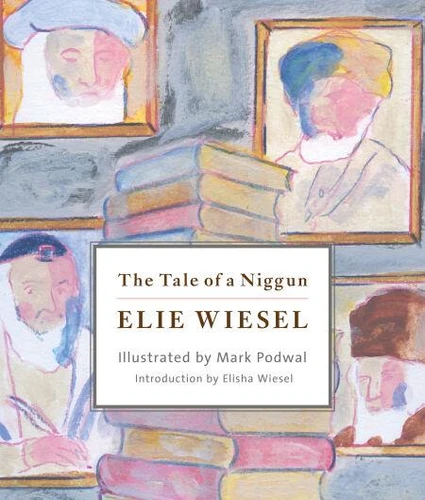
The Tale of a Niggun
Par : , ,Formats :
Disponible dans votre compte client Decitre ou Furet du Nord dès validation de votre commande. Le format ePub protégé est :
- Compatible avec une lecture sur My Vivlio (smartphone, tablette, ordinateur)
- Compatible avec une lecture sur liseuses Vivlio
- Pour les liseuses autres que Vivlio, vous devez utiliser le logiciel Adobe Digital Edition. Non compatible avec la lecture sur les liseuses Kindle, Remarkable et Sony
- Non compatible avec un achat hors France métropolitaine
 , qui est-ce ?
Notre partenaire de plateforme de lecture numérique où vous retrouverez l'ensemble de vos ebooks gratuitement
Pour en savoir plus sur nos ebooks, consultez notre aide en ligne ici
C'est si simple ! Lisez votre ebook avec l'app Vivlio sur votre tablette, mobile ou ordinateur :

- Nombre de pages64
- FormatePub
- ISBN978-0-8052-4364-2
- EAN9780805243642
- Date de parution17/11/2020
- Protection num.Adobe DRM
- Taille10 Mo
- Infos supplémentairesepub
- ÉditeurSchocken
Résumé
Elie Wiesel's heartbreaking narrative poem about history, immortality, and the power of song, accompanied by magnificent full-color illustrations by award-winning artist Mark Podwal. Based on an actual event that occurred during World War II. It is the evening before the holiday of Purim, and the Nazis have given the ghetto's leaders twenty-four hours to turn over ten Jews to be hanged to "avenge" the deaths of the ten sons of Haman, the villain of the Purim story, which celebrates the triumph of the Jews of Persia over potential genocide some 2, 400 years ago.
If the leaders refuse, the entire ghetto will be liquidated. Terrified, they go to the ghetto's rabbi for advice; he tells them to return the next morning. Over the course of the night the rabbi calls up the spirits of legendary rabbis from centuries past for advice on what to do, but no one can give him a satisfactory answer. The eighteenth-century mystic and founder of Hasidism, the Baal Shem Tov, tries to intercede with God by singing a niggun-a wordless, joyful melody with the power to break the chains of evil.
The next evening, when no volunteers step forward, the ghetto's residents are informed that in an hour they will all be killed. As the minutes tick by, the ghetto's rabbi teaches his assembled community the song that the Baal Shem Tov had sung the night before. And then the voices of these men, women, and children soar to the heavens. How can the heavens not hear?
If the leaders refuse, the entire ghetto will be liquidated. Terrified, they go to the ghetto's rabbi for advice; he tells them to return the next morning. Over the course of the night the rabbi calls up the spirits of legendary rabbis from centuries past for advice on what to do, but no one can give him a satisfactory answer. The eighteenth-century mystic and founder of Hasidism, the Baal Shem Tov, tries to intercede with God by singing a niggun-a wordless, joyful melody with the power to break the chains of evil.
The next evening, when no volunteers step forward, the ghetto's residents are informed that in an hour they will all be killed. As the minutes tick by, the ghetto's rabbi teaches his assembled community the song that the Baal Shem Tov had sung the night before. And then the voices of these men, women, and children soar to the heavens. How can the heavens not hear?
A propos de Elie Wiesel
4.8/5
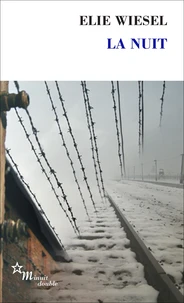
La Nuit
Poche
7,90 €
11,00 €
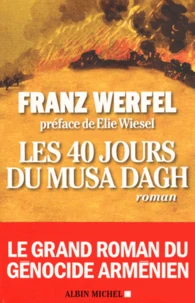
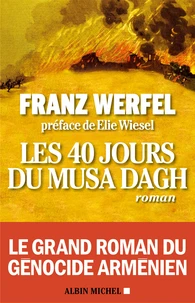
Les 40 jours du Musa Dagh
Grand Format
29,90 €
8,70 €
18,99 €
8,40 €
7,99 €
3.7/5
3,87 €
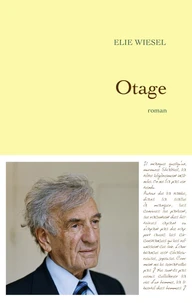
Otage - Occasion
Grand Format
11,16 €

4,78 €
4.8/5
La Nuit - Occasion
Poche
4,34 €
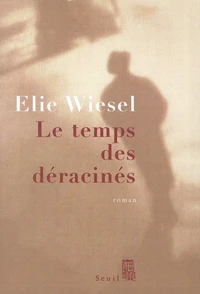
5/5
Le Temps Des Deracines - Occasion
Grand Format
4,06 €
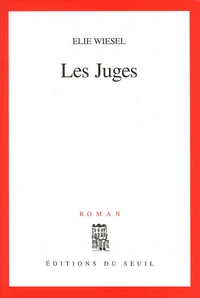
Les juges - Occasion
Grand Format
3,78 €
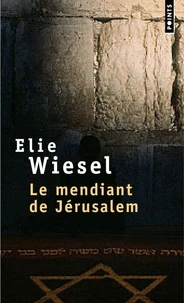
3,87 €