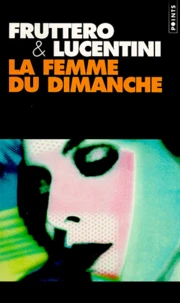
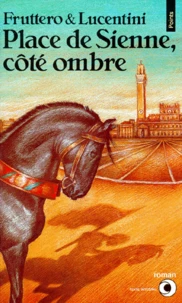
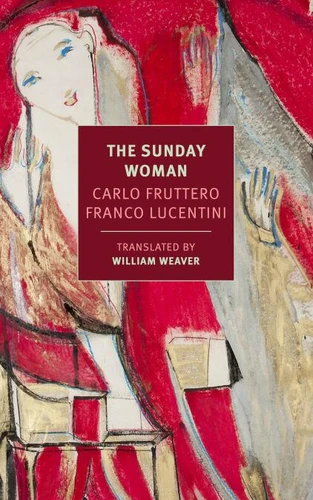
Part whodunit, part satire of Turin's ruling class, this lively and incisive detective novel by a beloved Italian literary duo navigates through the many layers of Turinese society, from the high to the low to the dubious. Carlo Fruttero and Franco Lucentini were a pair of legendary Italian writers widely celebrated as pioneers of modern crime fiction. The Sunday Woman was the first detective novel they collaborated on together, and also the first to feature Inspector Francesco Santamaria, a suave Sicilian transplanted to Turin, whose no-nonsense attitude and shrewd observation of northern mores make him one of the most beloved characters of the genre.
A thoroughly unpalatable character is found murdered with a weapon so unspeakable that the police will not reveal what it is to the press. By an extraordinary web of circumstance, suspicion falls on a closeted scion of Turin's high society and his friend, the wife of a rich capitalist, much to the embarrassment of the local police. The suspects, however, are ecstatic to find themselves at the heart all this intrigue, which is far more exciting than the petty squabbles and rude gossip that otherwise occupies their time.
They are eager to assist, and with leads few and far between, Inspector Santamaria can do nothing but follow them into their gilded world, where of course nothing, and no one, is as they seem.A vibrant social satire that uses the police procedural to skewer the callousness and complacency of the bourgeoisie, The Sunday Woman paints a comic and expansive portrait of Turin society, from the high to the low to the dubious.
Part whodunit, part satire of Turin's ruling class, this lively and incisive detective novel by a beloved Italian literary duo navigates through the many layers of Turinese society, from the high to the low to the dubious. Carlo Fruttero and Franco Lucentini were a pair of legendary Italian writers widely celebrated as pioneers of modern crime fiction. The Sunday Woman was the first detective novel they collaborated on together, and also the first to feature Inspector Francesco Santamaria, a suave Sicilian transplanted to Turin, whose no-nonsense attitude and shrewd observation of northern mores make him one of the most beloved characters of the genre.
A thoroughly unpalatable character is found murdered with a weapon so unspeakable that the police will not reveal what it is to the press. By an extraordinary web of circumstance, suspicion falls on a closeted scion of Turin's high society and his friend, the wife of a rich capitalist, much to the embarrassment of the local police. The suspects, however, are ecstatic to find themselves at the heart all this intrigue, which is far more exciting than the petty squabbles and rude gossip that otherwise occupies their time.
They are eager to assist, and with leads few and far between, Inspector Santamaria can do nothing but follow them into their gilded world, where of course nothing, and no one, is as they seem.A vibrant social satire that uses the police procedural to skewer the callousness and complacency of the bourgeoisie, The Sunday Woman paints a comic and expansive portrait of Turin society, from the high to the low to the dubious.

 , qui est-ce ?