SOLDES
Jusqu'à -70% sur une sélection d'articles*

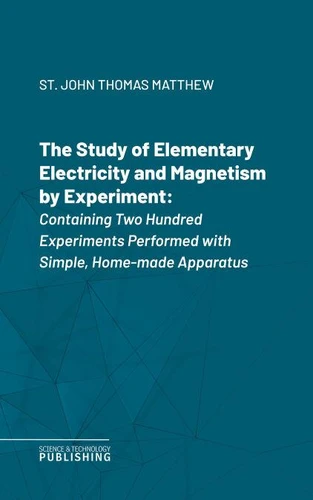
The Study of Elementary Electricity and Magnetism by Experiment. Containing Two Hundred Experiments Performed with Simple, Home-made Apparatus
Par :Formats :
Disponible dans votre compte client Decitre ou Furet du Nord dès validation de votre commande. Le format ePub est :
- Compatible avec une lecture sur My Vivlio (smartphone, tablette, ordinateur)
- Compatible avec une lecture sur liseuses Vivlio
- Pour les liseuses autres que Vivlio, vous devez utiliser le logiciel Adobe Digital Edition. Non compatible avec la lecture sur les liseuses Kindle, Remarkable et Sony
 , qui est-ce ?
Notre partenaire de plateforme de lecture numérique où vous retrouverez l'ensemble de vos ebooks gratuitement
Pour en savoir plus sur nos ebooks, consultez notre aide en ligne ici
C'est si simple ! Lisez votre ebook avec l'app Vivlio sur votre tablette, mobile ou ordinateur :

- FormatePub
- ISBN978-2-5281-1156-7
- EAN9782528111567
- Date de parution01/09/2025
- Protection num.pas de protection
- Infos supplémentairesepub
- ÉditeurScience & Technology Publishing
Résumé
The Study of Elementary Electricity and Magnetism by Experiment: Containing Two Hundred Experiments Performed with Simple, Home-made Apparatus is a comprehensive and practical guide designed to introduce readers to the fundamental principles of electricity and magnetism through hands-on experimentation. Authored by Thomas M. St. John, this classic work demystifies the often complex concepts of electrical science by providing clear, step-by-step instructions for conducting a wide array of experiments using easily obtainable and inexpensive materials.
The book is structured to gradually build the reader's understanding, starting with the basics of static electricity, simple circuits, and the properties of magnets, before progressing to more advanced topics such as electromagnetism, induction, and the construction of rudimentary electrical devices. Each experiment is carefully explained, with detailed illustrations and diagrams to aid comprehension, making it accessible to students, educators, and amateur scientists alike.
St. John emphasizes learning by doing, encouraging readers to construct their own apparatus-such as Leyden jars, galvanometers, and simple motors-using everyday items. This approach not only fosters a deeper grasp of scientific principles but also cultivates creativity and problem-solving skills. The book covers a wide range of topics, including the nature of electric charge, the behavior of currents, the interaction between electricity and magnetism, and the practical applications of these phenomena in technology.
Ideal for home study, classroom use, or science clubs, The Study of Elementary Electricity and Magnetism by Experiment remains a valuable resource for anyone seeking a thorough, engaging, and practical introduction to the world of electricity and magnetism. Its enduring appeal lies in its clarity, accessibility, and the joy of discovery it inspires in readers of all ages.
The book is structured to gradually build the reader's understanding, starting with the basics of static electricity, simple circuits, and the properties of magnets, before progressing to more advanced topics such as electromagnetism, induction, and the construction of rudimentary electrical devices. Each experiment is carefully explained, with detailed illustrations and diagrams to aid comprehension, making it accessible to students, educators, and amateur scientists alike.
St. John emphasizes learning by doing, encouraging readers to construct their own apparatus-such as Leyden jars, galvanometers, and simple motors-using everyday items. This approach not only fosters a deeper grasp of scientific principles but also cultivates creativity and problem-solving skills. The book covers a wide range of topics, including the nature of electric charge, the behavior of currents, the interaction between electricity and magnetism, and the practical applications of these phenomena in technology.
Ideal for home study, classroom use, or science clubs, The Study of Elementary Electricity and Magnetism by Experiment remains a valuable resource for anyone seeking a thorough, engaging, and practical introduction to the world of electricity and magnetism. Its enduring appeal lies in its clarity, accessibility, and the joy of discovery it inspires in readers of all ages.