SOLDES
Jusqu'à -70% sur une sélection d'articles*

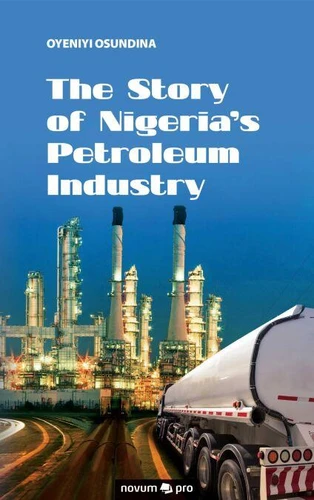
The Story of Nigeria's Petroleum Industry
Par :Formats :
Disponible dans votre compte client Decitre ou Furet du Nord dès validation de votre commande. Le format ePub est :
- Compatible avec une lecture sur My Vivlio (smartphone, tablette, ordinateur)
- Compatible avec une lecture sur liseuses Vivlio
- Pour les liseuses autres que Vivlio, vous devez utiliser le logiciel Adobe Digital Edition. Non compatible avec la lecture sur les liseuses Kindle, Remarkable et Sony
 , qui est-ce ?
Notre partenaire de plateforme de lecture numérique où vous retrouverez l'ensemble de vos ebooks gratuitement
Pour en savoir plus sur nos ebooks, consultez notre aide en ligne ici
C'est si simple ! Lisez votre ebook avec l'app Vivlio sur votre tablette, mobile ou ordinateur :

- Nombre de pages162
- FormatePub
- ISBN978-3-99048-205-6
- EAN9783990482056
- Date de parution13/05/2016
- Protection num.Digital Watermarking
- Taille379 Ko
- Infos supplémentairesepub
- ÉditeurNovum Pro Verlag
Résumé
This is a scrupulous account of the petroleum industry from 1906 to the present. The story traces development before the discovery of oil in Oloibiri and proceeds to offer comprehensive account of various legislative instruments that were adopted in the development process. The Nigerian Content Law, the gas flaring difficulties and the issue of sabotage are amply dealt with.
The book has several media reports to spotlight the heavy corruption ravaging the industry and closes with the attempted subsidy removal by the Jonathan administration.
The author ends with a philosophical rhetoric "as if there is no future", calling into question the role of politics and politicians in the misfortune of Nigeria's oil and gas sector. The application of legislation and regulation to the practice of oil and gas is a consistent theme permeating through the book, giving it not only a solid academic emphasis to the readers, but also a strong orientation towards policy.
The book is well positioned to address the technical and commercial issues of the Nigerian's oil and gas sector which should be familiar to oil company managements and experts.
The author ends with a philosophical rhetoric "as if there is no future", calling into question the role of politics and politicians in the misfortune of Nigeria's oil and gas sector. The application of legislation and regulation to the practice of oil and gas is a consistent theme permeating through the book, giving it not only a solid academic emphasis to the readers, but also a strong orientation towards policy.
The book is well positioned to address the technical and commercial issues of the Nigerian's oil and gas sector which should be familiar to oil company managements and experts.