
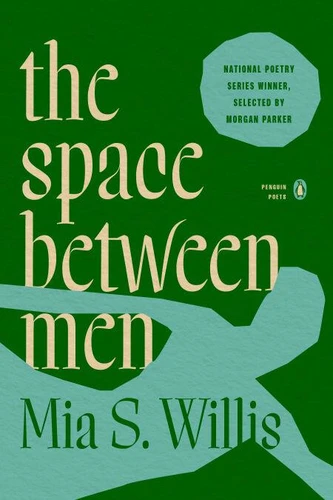
the space between men
Par :Formats :
Disponible dans votre compte client Decitre ou Furet du Nord dès validation de votre commande. Le format ePub protégé est :
- Compatible avec une lecture sur My Vivlio (smartphone, tablette, ordinateur)
- Compatible avec une lecture sur liseuses Vivlio
- Pour les liseuses autres que Vivlio, vous devez utiliser le logiciel Adobe Digital Edition. Non compatible avec la lecture sur les liseuses Kindle, Remarkable et Sony
- Non compatible avec un achat hors France métropolitaine
 , qui est-ce ?
Notre partenaire de plateforme de lecture numérique où vous retrouverez l'ensemble de vos ebooks gratuitement
Pour en savoir plus sur nos ebooks, consultez notre aide en ligne ici
C'est si simple ! Lisez votre ebook avec l'app Vivlio sur votre tablette, mobile ou ordinateur :

- Nombre de pages80
- FormatePub
- ISBN978-0-593-51220-3
- EAN9780593512203
- Date de parution14/01/2025
- Protection num.Adobe DRM
- Taille1 Mo
- Infos supplémentairesepub
- ÉditeurPenguin Books
Résumé
A poetic ethnography that creates and documents the vocabulary of the Southern Black queer experience, chosen as a National Poetry Series winner by Morgan Parker"Willis' poetic voice is brimming with personality and curiosity, as musical as it is philosophical, and the space between men is a formidable debut." -Morgan Parker, author of Magical Negro and There Are More Beautiful Things than BeyoncéThese piercing, surprising poems look to familial history, rituals of faith, and the natural world to explore how the intersecting cultures of Blackness and queerness relate to each other.
As the collection evolves, the reader is challenged and empowered to seek expansiveness in spaces that have not previously been excavated, reckon with the complexities of interpersonal relationships, and explore memory as a catalyst for self-determination. Mia S. Willis weaves together intergenerational knowledge and personal discovery-not only to define themselves but to articulate a communal identity that transcends language.
As the collection evolves, the reader is challenged and empowered to seek expansiveness in spaces that have not previously been excavated, reckon with the complexities of interpersonal relationships, and explore memory as a catalyst for self-determination. Mia S. Willis weaves together intergenerational knowledge and personal discovery-not only to define themselves but to articulate a communal identity that transcends language.