The Soil (La terre). A Realistic Novel
Par : ,Formats :
Disponible dans votre compte client Decitre ou Furet du Nord dès validation de votre commande. Le format ePub est :
- Compatible avec une lecture sur My Vivlio (smartphone, tablette, ordinateur)
- Compatible avec une lecture sur liseuses Vivlio
- Pour les liseuses autres que Vivlio, vous devez utiliser le logiciel Adobe Digital Edition. Non compatible avec la lecture sur les liseuses Kindle, Remarkable et Sony
 , qui est-ce ?
Notre partenaire de plateforme de lecture numérique où vous retrouverez l'ensemble de vos ebooks gratuitement
Pour en savoir plus sur nos ebooks, consultez notre aide en ligne ici
C'est si simple ! Lisez votre ebook avec l'app Vivlio sur votre tablette, mobile ou ordinateur :

- Nombre de pages476
- FormatePub
- ISBN859-65--4724551-3
- EAN8596547245513
- Date de parution04/09/2022
- Protection num.Digital Watermarking
- Taille929 Ko
- Infos supplémentairesepub
- ÉditeurDIGICAT
Résumé
In "The Soil" (La terre), Émile Zola offers a poignant exploration of rural life in 19th-century France, intricately weaving together themes of agrarian struggle, familial loyalty, and the inextricable bond between man and land. As a pivotal work in Zola's Rougon-Macquart series, this novel immerses readers in the lives of the impoverished peasants of the Beauce region, employing a naturalistic style that emphasizes the harsh realities of their existence.
Zola's vivid prose and meticulous attention to environmental detail reflect his commitment to portraying the socio-economic influences that shape human fate, revealing the tensions between tradition, progress, and the brutality of nature itself. Émile Zola, a leading figure in the Naturalism literary movement, was deeply influenced by the socio-political climate of his time, particularly the struggles of the working class and the impacts of industrialization.
His background as a journalist informed his acute social awareness and dedication to realism, allowing him to draw on both personal observation and broader historical narratives. Zola's childhood in rural France and his advocacy for social reform further inspired his depictions of agrarian life, making "The Soil" a profound reflection on humanity's relationship with the land. For readers seeking an insightful examination of the human condition against the backdrop of nature and societal change, "The Soil" is an essential read.
Zola's compelling narrative invites us to ponder the complexities of life, urging us to confront both the beauty and the harshness of existence. This novel not only enriches our understanding of French literature but also resonates with universal themes that remain relevant today.
Zola's vivid prose and meticulous attention to environmental detail reflect his commitment to portraying the socio-economic influences that shape human fate, revealing the tensions between tradition, progress, and the brutality of nature itself. Émile Zola, a leading figure in the Naturalism literary movement, was deeply influenced by the socio-political climate of his time, particularly the struggles of the working class and the impacts of industrialization.
His background as a journalist informed his acute social awareness and dedication to realism, allowing him to draw on both personal observation and broader historical narratives. Zola's childhood in rural France and his advocacy for social reform further inspired his depictions of agrarian life, making "The Soil" a profound reflection on humanity's relationship with the land. For readers seeking an insightful examination of the human condition against the backdrop of nature and societal change, "The Soil" is an essential read.
Zola's compelling narrative invites us to ponder the complexities of life, urging us to confront both the beauty and the harshness of existence. This novel not only enriches our understanding of French literature but also resonates with universal themes that remain relevant today.
A propos de Émile Zola

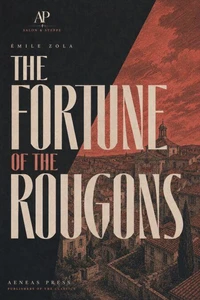
4,99 €
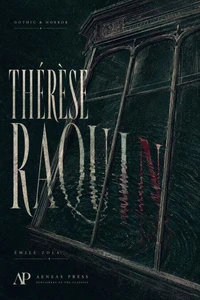
Thérèse Raquin
E-book
3,99 €

The Fat and the Thin
E-book
4,99 €
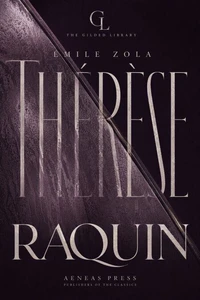
9,99 €

Au Bonheur des Dames
E-book
0,99 €

L'Argent
E-book
0,99 €

La Joie de vivre
E-book
0,99 €

L'Assommoir
E-book
0,99 €

Le Ventre de Paris
E-book
0,99 €

Nana
E-book
0,99 €

La Bête Humaine
E-book
0,99 €

La Fortune des Rougon
E-book
0,99 €

L'Œuvre
E-book
0,99 €

J'accuse
E-book
0,99 €

Germinal
E-book
0,99 €