SOLDES
Jusqu'à -70% sur une sélection d'articles*

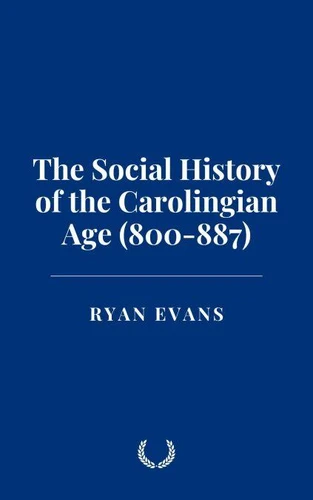
The Social History of the Carolingian Age (800-887)
Par :Formats :
Disponible dans votre compte client Decitre ou Furet du Nord dès validation de votre commande. Le format ePub est :
- Compatible avec une lecture sur My Vivlio (smartphone, tablette, ordinateur)
- Compatible avec une lecture sur liseuses Vivlio
- Pour les liseuses autres que Vivlio, vous devez utiliser le logiciel Adobe Digital Edition. Non compatible avec la lecture sur les liseuses Kindle, Remarkable et Sony
 , qui est-ce ?
Notre partenaire de plateforme de lecture numérique où vous retrouverez l'ensemble de vos ebooks gratuitement
Pour en savoir plus sur nos ebooks, consultez notre aide en ligne ici
C'est si simple ! Lisez votre ebook avec l'app Vivlio sur votre tablette, mobile ou ordinateur :

- FormatePub
- ISBN8230502692
- EAN9798230502692
- Date de parution29/01/2025
- Protection num.pas de protection
- Infos supplémentairesepub
- ÉditeurIndependently Published
Résumé
This book provides an in-depth examination of the Social History of the Carolingian Age (800-887), focusing on the political, cultural, economic, and social dynamics of the period, with particular attention to the reign of Charlemagne. Charlemagne's efforts to create a unified Christian empire through military conquest, diplomatic alliances, and religious reforms are analyzed alongside the challenges that led to the eventual fragmentation of his empire after his death.
Key topics include the rise of feudalism, the Carolingian Renaissance, the spread of Christianity, the military system, and Charlemagne's relationship with the Church. The book also explores the lives of different social classes, including the nobility, peasants, and women, shedding light on the roles they played in shaping the Carolingian world. Through the analysis of primary sources, such as the Vita Karoli Magni, the Royal Frankish Annals, and the Capitulary decrees, this work provides a comprehensive understanding of how Charlemagne's reign influenced the development of medieval Europe and left a lasting legacy in terms of governance, education, and religion.
The book also highlights the complex relationships between the Carolingian rulers, their vassals, the Church, and the broader European world, offering insights into the transformation of European society during one of its most formative periods.
Key topics include the rise of feudalism, the Carolingian Renaissance, the spread of Christianity, the military system, and Charlemagne's relationship with the Church. The book also explores the lives of different social classes, including the nobility, peasants, and women, shedding light on the roles they played in shaping the Carolingian world. Through the analysis of primary sources, such as the Vita Karoli Magni, the Royal Frankish Annals, and the Capitulary decrees, this work provides a comprehensive understanding of how Charlemagne's reign influenced the development of medieval Europe and left a lasting legacy in terms of governance, education, and religion.
The book also highlights the complex relationships between the Carolingian rulers, their vassals, the Church, and the broader European world, offering insights into the transformation of European society during one of its most formative periods.
A propos de Ryan Evans


2,99 €


2,99 €


2,99 €


3,99 €

2,99 €
2,99 €