SOLDES
Jusqu'à -70% sur une sélection d'articles*

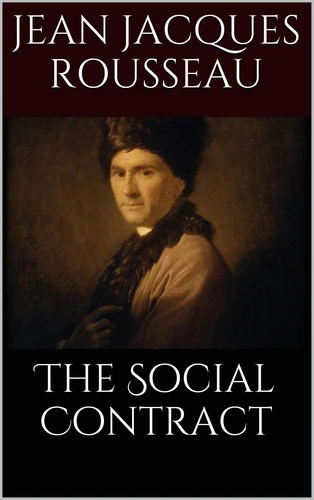
The Social Contract
Par :Formats :
Disponible dans votre compte client Decitre ou Furet du Nord dès validation de votre commande. Le format ePub est :
- Compatible avec une lecture sur My Vivlio (smartphone, tablette, ordinateur)
- Compatible avec une lecture sur liseuses Vivlio
- Pour les liseuses autres que Vivlio, vous devez utiliser le logiciel Adobe Digital Edition. Non compatible avec la lecture sur les liseuses Kindle, Remarkable et Sony
 , qui est-ce ?
Notre partenaire de plateforme de lecture numérique où vous retrouverez l'ensemble de vos ebooks gratuitement
Pour en savoir plus sur nos ebooks, consultez notre aide en ligne ici
C'est si simple ! Lisez votre ebook avec l'app Vivlio sur votre tablette, mobile ou ordinateur :

- Nombre de pages500
- FormatePub
- ISBN978-3-7481-1026-2
- EAN9783748110262
- Date de parution05/10/2018
- Protection num.Digital Watermarking
- Taille2 Mo
- Infos supplémentairesepub
- ÉditeurBooks on Demand
Résumé
For the study of the great writers and thinkers of the past, historical imagination is the first necessity. Without mentally referring to the environment in which they lived, we cannot hope to penetrate below the inessential and temporary to the absolute and permanent value of their thought. Theory, no less than action, is subject to these necessities; the form in which men cast their speculations, no less than the ways in which they behave, are the result of the habits of thought and action which they find around them.
Great men make, indeed, individual contributions to the knowledge of their times; but they can never transcend the age in which they live. The questions they try to answer will always be those their contemporaries are asking; their statement of fundamental problems will always be relative to the traditional statements that have been handed down to them. When they are stating what is most startlingly new, they will be most likely to put it in an old fashioned form, and to use the inadequate ideas and formulae of tradition to express the deeper truths towards which they are feeling their way.
They will be most the children of their age, when they are rising most above it.
Great men make, indeed, individual contributions to the knowledge of their times; but they can never transcend the age in which they live. The questions they try to answer will always be those their contemporaries are asking; their statement of fundamental problems will always be relative to the traditional statements that have been handed down to them. When they are stating what is most startlingly new, they will be most likely to put it in an old fashioned form, and to use the inadequate ideas and formulae of tradition to express the deeper truths towards which they are feeling their way.
They will be most the children of their age, when they are rising most above it.
A propos de Jean jacques Rousseau
2,99 €