SOLDES
Jusqu'à -70% sur une sélection d'articles*

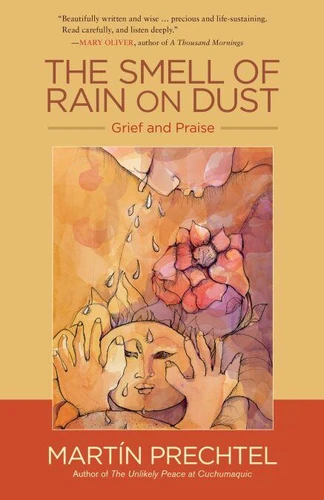
The Smell of Rain on Dust
Par :Formats :
Disponible dans votre compte client Decitre ou Furet du Nord dès validation de votre commande. Le format ePub protégé est :
- Compatible avec une lecture sur My Vivlio (smartphone, tablette, ordinateur)
- Compatible avec une lecture sur liseuses Vivlio
- Pour les liseuses autres que Vivlio, vous devez utiliser le logiciel Adobe Digital Edition. Non compatible avec la lecture sur les liseuses Kindle, Remarkable et Sony
- Non compatible avec un achat hors France métropolitaine
 , qui est-ce ?
Notre partenaire de plateforme de lecture numérique où vous retrouverez l'ensemble de vos ebooks gratuitement
Pour en savoir plus sur nos ebooks, consultez notre aide en ligne ici
C'est si simple ! Lisez votre ebook avec l'app Vivlio sur votre tablette, mobile ou ordinateur :

- Nombre de pages184
- FormatePub
- ISBN978-1-58394-940-5
- EAN9781583949405
- Date de parution14/04/2015
- Protection num.Adobe DRM
- Taille2 Mo
- Infos supplémentairesepub
- ÉditeurNorth Atlantic Books
Résumé
"Beautifully written and wise . [Martin Prechtel] offers stories that are precious and life-sustaining. Read carefully, and listen deeply."-Mary Oliver, National Book Award and Pulitzer Prize winnerInspiring hope, solace, and courage in living through our losses, author Martín Prechtel, trained in the Tzutujil Maya shamanic tradition, shares profound insights on the relationship between grief and praise in our culture--how the inability that many of us have to grieve and weep properly for the dead is deeply linked with the inability to give praise for living.
In modern society, grief is something that we usually experience in private, alone, and without the support of a community. Yet, as Prechtel says, "Grief expressed out loud for someone we have lost, or a country or home we have lost, is in itself the greatest praise we could ever give them. Grief is praise, because it is the natural way love honors what it misses."Prechtel explains that the unexpressed grief prevalent in our society today is the reason for many of the social, cultural, and individual maladies that we are currently experiencing.
According to Prechtel, "When you have two centuries of people who have not properly grieved the things that they have lost, the grief shows up as ghosts that inhabit their grandchildren." These "ghosts, " he says, can also manifest as disease in the form of tumors, which the Maya refer to as "solidified tears, " or in the form of behavioral issues and depression. He goes on to show how this collective, unexpressed energy is the long-held grief of our ancestors manifesting itself, and the work that can be done to liberate this energy so we can heal from the trauma of loss, war, and suffering.
At base, this "little book, " as the author calls it, can be seen as a companion of encouragement, a little extra light for those deep and noble parts in all of us.
In modern society, grief is something that we usually experience in private, alone, and without the support of a community. Yet, as Prechtel says, "Grief expressed out loud for someone we have lost, or a country or home we have lost, is in itself the greatest praise we could ever give them. Grief is praise, because it is the natural way love honors what it misses."Prechtel explains that the unexpressed grief prevalent in our society today is the reason for many of the social, cultural, and individual maladies that we are currently experiencing.
According to Prechtel, "When you have two centuries of people who have not properly grieved the things that they have lost, the grief shows up as ghosts that inhabit their grandchildren." These "ghosts, " he says, can also manifest as disease in the form of tumors, which the Maya refer to as "solidified tears, " or in the form of behavioral issues and depression. He goes on to show how this collective, unexpressed energy is the long-held grief of our ancestors manifesting itself, and the work that can be done to liberate this energy so we can heal from the trauma of loss, war, and suffering.
At base, this "little book, " as the author calls it, can be seen as a companion of encouragement, a little extra light for those deep and noble parts in all of us.