SOLDES
Jusqu'à -70% sur une sélection d'articles*

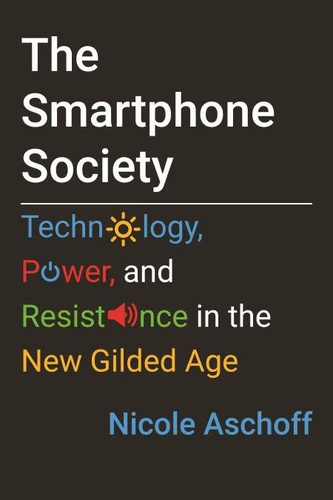
The Smartphone Society. Technology, Power, and Resistance in the New Gilded Age
Par :Formats :
Disponible dans votre compte client Decitre ou Furet du Nord dès validation de votre commande. Le format ePub protégé est :
- Compatible avec une lecture sur My Vivlio (smartphone, tablette, ordinateur)
- Compatible avec une lecture sur liseuses Vivlio
- Pour les liseuses autres que Vivlio, vous devez utiliser le logiciel Adobe Digital Edition. Non compatible avec la lecture sur les liseuses Kindle, Remarkable et Sony
- Non compatible avec un achat hors France métropolitaine
 , qui est-ce ?
Notre partenaire de plateforme de lecture numérique où vous retrouverez l'ensemble de vos ebooks gratuitement
Pour en savoir plus sur nos ebooks, consultez notre aide en ligne ici
C'est si simple ! Lisez votre ebook avec l'app Vivlio sur votre tablette, mobile ou ordinateur :

- Nombre de pages216
- FormatePub
- ISBN978-0-8070-6196-1
- EAN9780807061961
- Date de parution10/03/2020
- Protection num.Adobe DRM
- Taille703 Ko
- Infos supplémentairesepub
- ÉditeurBeacon Press
Résumé
Addresses how tech empowers community organizing and protest movements to combat the systems of capitalism and data exploitation that helped drive tech's own rise to ubiquity. Our smartphones have brought digital technology into the most intimate spheres of life. It's time to take control of them, repurposing them as pathways to a democratically designed and maintained digital commons that prioritizes people over profit.
Smartphones have appeared everywhere seemingly overnight: since the first iPhone was released, in 2007, the number of smartphone users has skyrocketed to over two billion. Smartphones have allowed users to connect worldwide in a way that was previously impossible, created communities across continents, and provided platforms for global justice movements. However, the rise of smartphones has led to corporations using consumers' personal data for profit, unmonitored surveillance, and digital monopolies like Google, Facebook, and Amazon that have garnered control over our social, political, and economic landscapes.
But people are using their smartphones to fight back. New modes of resistance are emerging, signaling the possibility that our pocket computers could be harnessed for the benefit of people, not profit. From helping to organize protests against the US-Mexico border wall through Twitter to being used to report police brutality through Facebook Live, smartphones open a door for collective change.
Smartphones have appeared everywhere seemingly overnight: since the first iPhone was released, in 2007, the number of smartphone users has skyrocketed to over two billion. Smartphones have allowed users to connect worldwide in a way that was previously impossible, created communities across continents, and provided platforms for global justice movements. However, the rise of smartphones has led to corporations using consumers' personal data for profit, unmonitored surveillance, and digital monopolies like Google, Facebook, and Amazon that have garnered control over our social, political, and economic landscapes.
But people are using their smartphones to fight back. New modes of resistance are emerging, signaling the possibility that our pocket computers could be harnessed for the benefit of people, not profit. From helping to organize protests against the US-Mexico border wall through Twitter to being used to report police brutality through Facebook Live, smartphones open a door for collective change.