SOLDES
Jusqu'à -70% sur une sélection d'articles*

Nouveauté
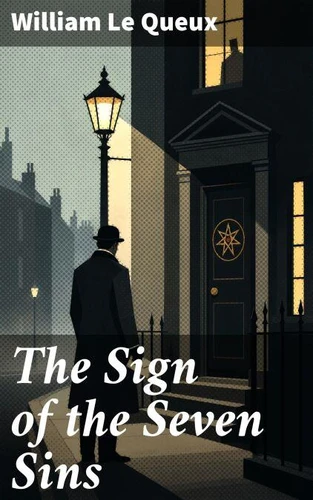
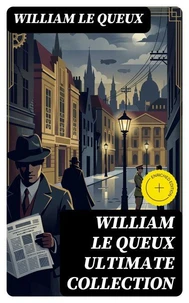
The Sign of the Seven Sins
Par :Formats :
Disponible dans votre compte client Decitre ou Furet du Nord dès validation de votre commande. Le format ePub est :
- Compatible avec une lecture sur My Vivlio (smartphone, tablette, ordinateur)
- Compatible avec une lecture sur liseuses Vivlio
- Pour les liseuses autres que Vivlio, vous devez utiliser le logiciel Adobe Digital Edition. Non compatible avec la lecture sur les liseuses Kindle, Remarkable et Sony
 , qui est-ce ?
Notre partenaire de plateforme de lecture numérique où vous retrouverez l'ensemble de vos ebooks gratuitement
Pour en savoir plus sur nos ebooks, consultez notre aide en ligne ici
C'est si simple ! Lisez votre ebook avec l'app Vivlio sur votre tablette, mobile ou ordinateur :

- Nombre de pages126
- FormatePub
- ISBN859-65--4791026-8
- EAN8596547910268
- Date de parution29/06/2026
- Protection num.Digital Watermarking
- Taille927 Ko
- Infos supplémentairesepub
- ÉditeurGOOD PRESS
Résumé
William Le Queux's The Sign of the Seven Sins is a sensational early twentieth-century mystery-thriller in which crime, secrecy, and moral peril are woven into a briskly plotted narrative of pursuit and revelation. Characteristic of Edwardian popular fiction, the novel combines melodramatic intrigue with the atmospherics of occult suggestion and urban danger, while remaining grounded in the mechanics of detection and conspiracy.
Its style is vivid, fast-moving, and theatrical, reflecting the period's appetite for tales that joined hidden vice to modern anxieties about corruption and unseen networks of power. Le Queux was among the most prolific writers of espionage, crime, and adventure fiction in Britain, and his work was shaped by a cultural moment preoccupied with surveillance, foreign threats, and social instability. A journalist as well as novelist, he cultivated an air of documentary immediacy that lent his fiction persuasive urgency.
The Sign of the Seven Sins emerges from this background, revealing his fascination with clandestine organizations, moral transgression, and the fragility of respectable society. This novel will especially reward readers interested in the transition from Victorian sensation fiction to modern thrillers. It is recommended for its historical significance, narrative energy, and its revealing portrait of the fears and pleasures that animated popular literature in Le Queux's age.
Its style is vivid, fast-moving, and theatrical, reflecting the period's appetite for tales that joined hidden vice to modern anxieties about corruption and unseen networks of power. Le Queux was among the most prolific writers of espionage, crime, and adventure fiction in Britain, and his work was shaped by a cultural moment preoccupied with surveillance, foreign threats, and social instability. A journalist as well as novelist, he cultivated an air of documentary immediacy that lent his fiction persuasive urgency.
The Sign of the Seven Sins emerges from this background, revealing his fascination with clandestine organizations, moral transgression, and the fragility of respectable society. This novel will especially reward readers interested in the transition from Victorian sensation fiction to modern thrillers. It is recommended for its historical significance, narrative energy, and its revealing portrait of the fears and pleasures that animated popular literature in Le Queux's age.
A propos de William Le Queux





0,99 €




4,99 €