SOLDES
Jusqu'à -70% sur une sélection d'articles*

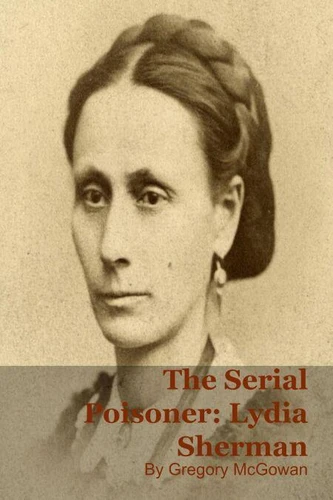
The Serial Poisoner: Lydia Sherman
Par :Formats :
Disponible dans votre compte client Decitre ou Furet du Nord dès validation de votre commande. Le format ePub est :
- Compatible avec une lecture sur My Vivlio (smartphone, tablette, ordinateur)
- Compatible avec une lecture sur liseuses Vivlio
- Pour les liseuses autres que Vivlio, vous devez utiliser le logiciel Adobe Digital Edition. Non compatible avec la lecture sur les liseuses Kindle, Remarkable et Sony
 , qui est-ce ?
Notre partenaire de plateforme de lecture numérique où vous retrouverez l'ensemble de vos ebooks gratuitement
Pour en savoir plus sur nos ebooks, consultez notre aide en ligne ici
C'est si simple ! Lisez votre ebook avec l'app Vivlio sur votre tablette, mobile ou ordinateur :

- FormatePub
- ISBN8232706708
- EAN9798232706708
- Date de parution13/12/2025
- Protection num.pas de protection
- Infos supplémentairesepub
- ÉditeurDraft2Digital
Résumé
The Serial Poisoner: Lydia Sherman In 1871, the arrest of Lydia Sherman as the "Derby Poisoner" shocked America by revealing a methodical female killer who had poisoned three husbands and four children across multiple jurisdictions. Sherman's case represents a pivotal moment in American criminal justice history, establishing precedents that continue influencing modern practice. Professor George Frederick Barker's groundbreaking scientific testimony introduced multiple confirmation methodologies and systematic documentation that created the foundation for modern forensic toxicology.
The investigation pioneered cross-jurisdictional cooperation, recognizing pattern similarities across geographic boundaries that serial predators had previously exploited to avoid detection. Sherman's crimes profoundly challenged Victorian gender ideology that positioned women as inherently nurturing and incapable of calculated violence. Her perfect conventional appearance while implementing systematic family elimination demonstrated extraordinary compartmentalization capacity that continues informing contemporary criminal profiling regarding hidden predators operating beneath seemingly normal social presentation.
After conviction and life imprisonment at Wethersfield, Sherman briefly escaped through elaborate medical deception before being recaptured. She died from cancer in 1878, leaving a complex legacy extending far beyond her unmarked grave to influence scientific practice, investigative methodology, and cultural understanding regarding female criminality. The calculated poisoner who eliminated family members through methodical deception ultimately prompted systematic response development specifically designed to penetrate such concealment through increasingly sophisticated detection capabilities countering criminal methodology structured to evade conventional investigation.
The investigation pioneered cross-jurisdictional cooperation, recognizing pattern similarities across geographic boundaries that serial predators had previously exploited to avoid detection. Sherman's crimes profoundly challenged Victorian gender ideology that positioned women as inherently nurturing and incapable of calculated violence. Her perfect conventional appearance while implementing systematic family elimination demonstrated extraordinary compartmentalization capacity that continues informing contemporary criminal profiling regarding hidden predators operating beneath seemingly normal social presentation.
After conviction and life imprisonment at Wethersfield, Sherman briefly escaped through elaborate medical deception before being recaptured. She died from cancer in 1878, leaving a complex legacy extending far beyond her unmarked grave to influence scientific practice, investigative methodology, and cultural understanding regarding female criminality. The calculated poisoner who eliminated family members through methodical deception ultimately prompted systematic response development specifically designed to penetrate such concealment through increasingly sophisticated detection capabilities countering criminal methodology structured to evade conventional investigation.