SOLDES
Jusqu'à -70% sur une sélection d'articles*

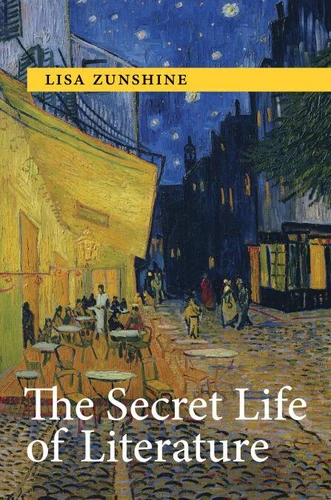
The Secret Life of Literature
Par :Formats :
Disponible dans votre compte client Decitre ou Furet du Nord dès validation de votre commande. Le format ePub protégé est :
- Compatible avec une lecture sur My Vivlio (smartphone, tablette, ordinateur)
- Compatible avec une lecture sur liseuses Vivlio
- Pour les liseuses autres que Vivlio, vous devez utiliser le logiciel Adobe Digital Edition. Non compatible avec la lecture sur les liseuses Kindle, Remarkable et Sony
- Non compatible avec un achat hors France métropolitaine
 , qui est-ce ?
Notre partenaire de plateforme de lecture numérique où vous retrouverez l'ensemble de vos ebooks gratuitement
Pour en savoir plus sur nos ebooks, consultez notre aide en ligne ici
C'est si simple ! Lisez votre ebook avec l'app Vivlio sur votre tablette, mobile ou ordinateur :

- Nombre de pages336
- FormatePub
- ISBN978-0-262-36764-6
- EAN9780262367646
- Date de parution15/03/2022
- Protection num.Adobe DRM
- Taille7 Mo
- Infos supplémentairesepub
- ÉditeurThe MIT Press
Résumé
An innovative account that brings together cognitive science, ethnography, and literary history to examine patterns of "mindreading" in a wide range of literary works. For over four thousand years, writers have been experimenting with what cognitive scientists call "mindreading": constantly devising new social contexts for making their audiences imagine complex mental states of characters and narrators.
In The Secret Life of Literature, Lisa Zunshine uncovers these mindreading patterns, which have, until now, remained invisible to both readers and critics, in works ranging from The Epic of Gilgamesh to Invisible Man. Bringing together cognitive science, ethnography, and literary studies, this engaging book transforms our understanding of literary history. Central to Zunshine's argument is the exploration of mental states "embedded" within each other, as, for instance, when Ellison's Invisible Man is aware of how his white Communist Party comrades pretend not to understand what he means, when they want to reassert their position of power.
Paying special attention to how race, class, and gender inform literary embedments, Zunshine contrasts this dynamic with real-life patterns studied by cognitive and social psychologists. She also considers community-specific mindreading values and looks at the rise and migration of embedment patterns across genres and national literary traditions, noting particularly the use of deception, eavesdropping, and shame as plot devices.
Finally, she investigates mindreading in children's literature. Stories for children geared toward different stages of development, she shows, provide cultural scaffolding for initiating young readers into a long-term engagement with the secret life of literature.
In The Secret Life of Literature, Lisa Zunshine uncovers these mindreading patterns, which have, until now, remained invisible to both readers and critics, in works ranging from The Epic of Gilgamesh to Invisible Man. Bringing together cognitive science, ethnography, and literary studies, this engaging book transforms our understanding of literary history. Central to Zunshine's argument is the exploration of mental states "embedded" within each other, as, for instance, when Ellison's Invisible Man is aware of how his white Communist Party comrades pretend not to understand what he means, when they want to reassert their position of power.
Paying special attention to how race, class, and gender inform literary embedments, Zunshine contrasts this dynamic with real-life patterns studied by cognitive and social psychologists. She also considers community-specific mindreading values and looks at the rise and migration of embedment patterns across genres and national literary traditions, noting particularly the use of deception, eavesdropping, and shame as plot devices.
Finally, she investigates mindreading in children's literature. Stories for children geared toward different stages of development, she shows, provide cultural scaffolding for initiating young readers into a long-term engagement with the secret life of literature.