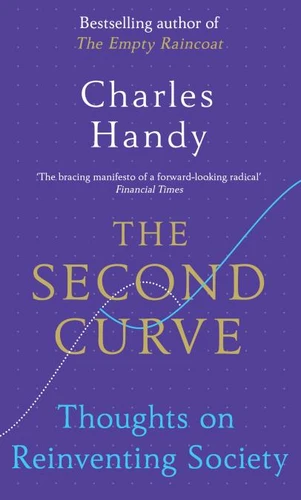
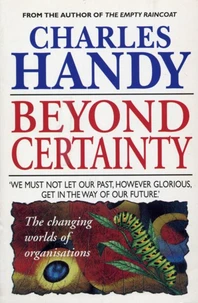
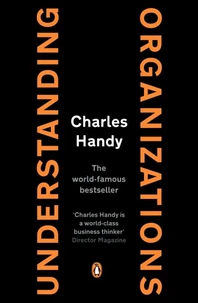
Britain's leading guru looks to the future. Charles Handy is one of the giants of contemporary thought. His books on management - including Understanding Organizations and Gods of Management - have changed the way we view business. His work on broader issues and trends - such as Beyond Certainty - has changed the way we view society. In The Second Curve, Handy builds on a life's work to glimpse into the future and see what challenges and opportunities lie ahead.
He looks at current trends in capitalism and asks whether it is a sustainable system. He explores the dangers of a society built on credit. He challenges the myth that remorseless growth is essential. He even asks whether we should rethink our roles in life - as students, parents, workers and voters - and what the aims of an ideal society of the future should be. Provocative and thoughtful as ever, he sets out the questions we all need to ask ourselves - and points us in the direction of some of the answers.
Britain's leading guru looks to the future. Charles Handy is one of the giants of contemporary thought. His books on management - including Understanding Organizations and Gods of Management - have changed the way we view business. His work on broader issues and trends - such as Beyond Certainty - has changed the way we view society. In The Second Curve, Handy builds on a life's work to glimpse into the future and see what challenges and opportunities lie ahead.
He looks at current trends in capitalism and asks whether it is a sustainable system. He explores the dangers of a society built on credit. He challenges the myth that remorseless growth is essential. He even asks whether we should rethink our roles in life - as students, parents, workers and voters - and what the aims of an ideal society of the future should be. Provocative and thoughtful as ever, he sets out the questions we all need to ask ourselves - and points us in the direction of some of the answers.