SOLDES
Jusqu'à -70% sur une sélection d'articles*

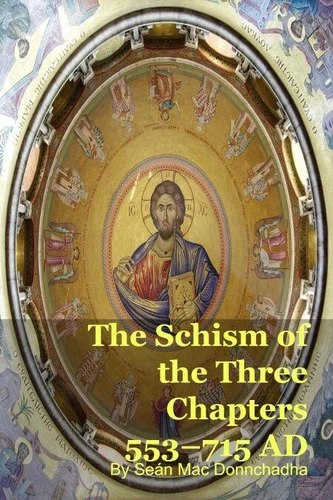
The Schism of the Three Chapters 553–715 AD
Par :Formats :
Disponible dans votre compte client Decitre ou Furet du Nord dès validation de votre commande. Le format ePub est :
- Compatible avec une lecture sur My Vivlio (smartphone, tablette, ordinateur)
- Compatible avec une lecture sur liseuses Vivlio
- Pour les liseuses autres que Vivlio, vous devez utiliser le logiciel Adobe Digital Edition. Non compatible avec la lecture sur les liseuses Kindle, Remarkable et Sony
 , qui est-ce ?
Notre partenaire de plateforme de lecture numérique où vous retrouverez l'ensemble de vos ebooks gratuitement
Pour en savoir plus sur nos ebooks, consultez notre aide en ligne ici
C'est si simple ! Lisez votre ebook avec l'app Vivlio sur votre tablette, mobile ou ordinateur :

- FormatePub
- ISBN8233828218
- EAN9798233828218
- Date de parution27/03/2026
- Protection num.pas de protection
- Infos supplémentairesepub
- ÉditeurLinda Balsamo
Résumé
The Schism of the Three Chapters 553-715 ADIn 553 AD, the bishops of Northern Italy did something unprecedented: they said no to both the Byzantine Emperor and the Pope of Rome simultaneously, and held that position for a century and a half. The Schism of the Three Chapters, triggered by Emperor Justinian I's attempt to reconcile estranged Eastern Christians by condemning the writings of three long-dead theologians, became one of the most consequential and least-known ruptures in the history of Western Christianity.
This comprehensive history traces the schism from its theological origins in the aftermath of the Council of Chalcedon through its dramatic institutional expressions, the flight of the Patriarch to the island of Grado, the development of a distinctive liturgical tradition, the protection of Lombard kings, and the eventual resolution at the Synod of Pavia in 698 AD. Along the way, it examines the ordeal of Pope Vigilius, the intellectual brilliance of Facundus of Hermiane, the extraordinary Letter 5 of Saint Columbanus, and the role of Queen Theodelinda in transforming the Lombard kingdom.
Ultimately, this is a story about what communities do when they believe an institution has betrayed the faith it was meant to protect, and how, sometimes, the act of principled resistance leaves marks on history that outlast the controversy that produced them.
This comprehensive history traces the schism from its theological origins in the aftermath of the Council of Chalcedon through its dramatic institutional expressions, the flight of the Patriarch to the island of Grado, the development of a distinctive liturgical tradition, the protection of Lombard kings, and the eventual resolution at the Synod of Pavia in 698 AD. Along the way, it examines the ordeal of Pope Vigilius, the intellectual brilliance of Facundus of Hermiane, the extraordinary Letter 5 of Saint Columbanus, and the role of Queen Theodelinda in transforming the Lombard kingdom.
Ultimately, this is a story about what communities do when they believe an institution has betrayed the faith it was meant to protect, and how, sometimes, the act of principled resistance leaves marks on history that outlast the controversy that produced them.