
Harriet Beecher Stowe (1811-1896) was a famed abolitionist and author. In 1851, she received $400 (a great sum in her day) for a serialized version of her novel, Uncle Tom's Cabin, which went on to be the bestselling novel of the 19th century and the second most-sold book, behind The Bible. The novel's portrayal of slavery is credited as a catalyst for the slavery debate in the years preceding the Civil War.
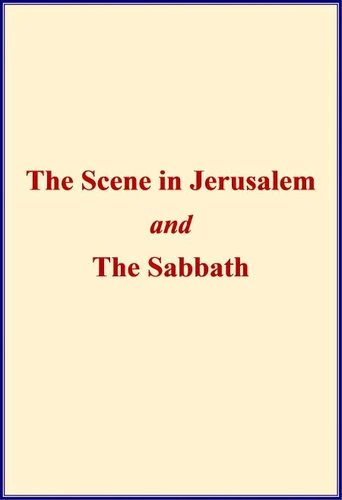
The Scene in Jerusalem and The Sabbath
Par :Formats :
Disponible dans votre compte client Decitre ou Furet du Nord dès validation de votre commande. Le format Multi-format est :
- Pour les liseuses autres que Vivlio, vous devez utiliser le logiciel Adobe Digital Edition. Non compatible avec la lecture sur les liseuses Kindle, Remarkable et Sony
 , qui est-ce ?
Notre partenaire de plateforme de lecture numérique où vous retrouverez l'ensemble de vos ebooks gratuitement
Pour en savoir plus sur nos ebooks, consultez notre aide en ligne ici
C'est si simple ! Lisez votre ebook avec l'app Vivlio sur votre tablette, mobile ou ordinateur :

- FormatMulti-format
- ISBN978-2-36659-097-5
- EAN9782366590975
- Date de parution18/12/2015
- Protection num.pas de protection
- Taille80 Ko
- Infos supplémentairesMulti-Format
- ÉditeurLE MONO (EDITIONS)
Résumé
The Scene in Jerusalem and The Sabbath are two short stories written by Harriet Beecher Stowe. She is known as the writer of the bestseller Uncle Tom's Cabin.""Alone, or almost alone, the few remaining priests move like white-winged, solitary birds over the gorgeous pavements of the temple, and as they mechanically conduct the ministrations of the day, cast significant glances on each other, and pause here and there to converse in anxious whispers.
Ah there is one voice which they have often heard beneath those arches - a voice which ever bore in it a mysterious and thrilling charm--which they know will be hushed today. Chief priest, scribe, and doctor have all gone out in the death procession after him; and these few remaining ones, far from the excitement of the crowd, and busied in calm and sacred duties, find voices of anxious questioning rising from the depths of their own souls, "What if this indeed were the Christ?" ""
Ah there is one voice which they have often heard beneath those arches - a voice which ever bore in it a mysterious and thrilling charm--which they know will be hushed today. Chief priest, scribe, and doctor have all gone out in the death procession after him; and these few remaining ones, far from the excitement of the crowd, and busied in calm and sacred duties, find voices of anxious questioning rising from the depths of their own souls, "What if this indeed were the Christ?" ""
A propos de Harriet Beecher Stowe
Uncle Tom's Cabin
E-book
0,99 €

De kleine vossen
E-book
9,99 €
De Negerhut
E-book
9,99 €
9,99 €
5,49 €
5,49 €
The Ministers Wooing (Unabridged)
Audiobook
5,49 €
Palmetto Leaves (Unabridged)
Audiobook
5,49 €
5,49 €
5,49 €
4,22 €

Lady Byron Vindicated (Unabridged)
Audiobook
4,22 €
Uncle Tom's Cabin (Unabridged)
Audiobook
4,22 €
1,99 €
Religious Poems
E-book
7,99 €
He's Coming To-Morrow
E-book
1,99 €