Nouveauté
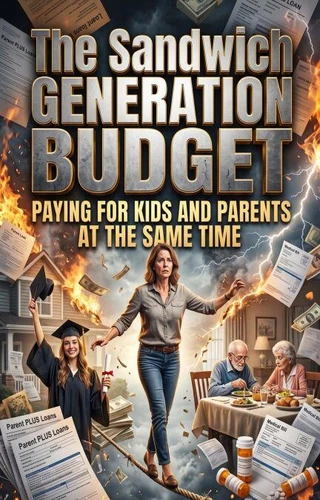
The Sandwich Generation Budget. Paying for Kids and Parents at the Same Time
Par :Formats :
Disponible dans votre compte client Decitre ou Furet du Nord dès validation de votre commande. Le format ePub est :
- Compatible avec une lecture sur My Vivlio (smartphone, tablette, ordinateur)
- Compatible avec une lecture sur liseuses Vivlio
- Pour les liseuses autres que Vivlio, vous devez utiliser le logiciel Adobe Digital Edition. Non compatible avec la lecture sur les liseuses Kindle, Remarkable et Sony
 , qui est-ce ?
Notre partenaire de plateforme de lecture numérique où vous retrouverez l'ensemble de vos ebooks gratuitement
Pour en savoir plus sur nos ebooks, consultez notre aide en ligne ici
C'est si simple ! Lisez votre ebook avec l'app Vivlio sur votre tablette, mobile ou ordinateur :

- Nombre de pages159
- FormatePub
- ISBN978-3-565-56772-0
- EAN9783565567720
- Date de parution17/07/2026
- Protection num.pas de protection
- Taille925 Ko
- Infos supplémentairesepub
- ÉditeurEmphaloz Publishing House
Résumé
Otto Brenner's practical guide addresses the financial pressures facing the sandwich generation-adults simultaneously funding their children's education and supporting aging parents. Through real client stories like Elena, drowning in $200, 000 of Parent PLUS loans at age fifty-one, and Miriam, confronting her father's hidden financial vulnerabilities, Brenner reveals how this generation often sacrifices their own retirement security.
This book teaches the oxygen mask principle: protecting your financial future first isn't selfish-it's the foundation that enables you to help both your children and parents. Brenner combines financial strategy with emotional intelligence, offering concrete solutions for budgeting, loan management, difficult family conversations, and prioritization when resources are limited.
This book teaches the oxygen mask principle: protecting your financial future first isn't selfish-it's the foundation that enables you to help both your children and parents. Brenner combines financial strategy with emotional intelligence, offering concrete solutions for budgeting, loan management, difficult family conversations, and prioritization when resources are limited.