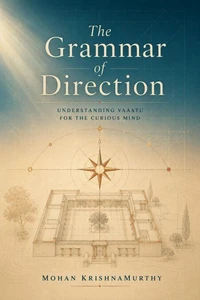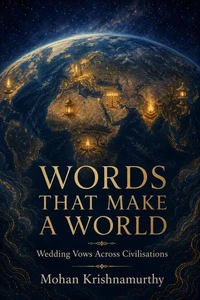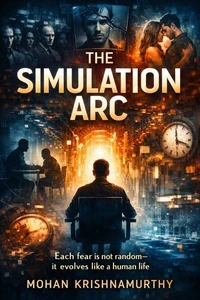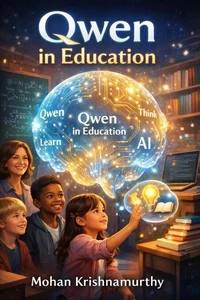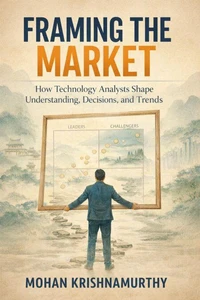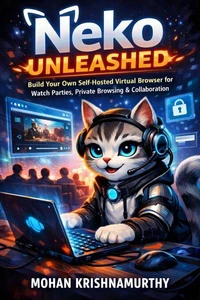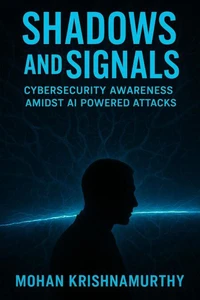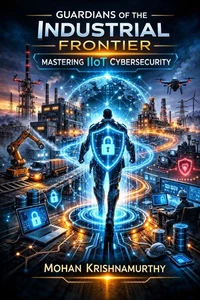



Mohan Krishnamurthy is a creative visionary, blending humor with structured insights to craft stories that entertain, educate, and inspire. Passionate about cultural narratives and philosophy, he seamlessly merges tradition with modern storytelling techniques, making profound ideas accessible to all. From philosophical explorations to relatable satire, his works spark curiosity while keeping readers thoroughly engaged.
With over 30 years of experience in IT Networking & Cybersecurity, Mohan is a hands-on technical expert who has co-authored eight technology titles published by Syngress, USA. His work spans the realms of technology, management, and corporate world challenges, offering practical insights and strategic solutions to professionals navigating an ever-evolving digital landscape. As a thought leader, he combines deep industry knowledge with a passion for storytelling-ensuring complex ideas are approachable and actionable.
Beyond books, Mohan runs a YouTube channel, covering a wide array of topics, including Stock Market Trading, Corporate World Challenges, and bite-sized "5-Minute Tech Tips" designed to empower viewers with quick, practical solutions. His content bridges the gap between technical expertise and everyday challenges, making innovation accessible to all. An advocate for authentic expression, Mohan designs visually engaging narratives, creating immersive storytelling experiences-whether through books, digital media, or interactive elements.
His creative journey is driven by the belief that legacy isn't just about preserving the past but making it relatable for future generations. Follow Mohan Krishnamurthy for:-Fiction (Tamil & English)-Engaging philosophical insights with a modern twist-Humor-driven storytelling that resonates across generations-Unique visual interpretations of cultural and mythological themes-Behind-the-scenes reflections on book creation, AI collaborations, and website innovations-Expert IT Networking & Cybersecurity insights-Practical business & stock market strategies through his YouTube channel
With over 30 years of experience in IT Networking & Cybersecurity, Mohan is a hands-on technical expert who has co-authored eight technology titles published by Syngress, USA. His work spans the realms of technology, management, and corporate world challenges, offering practical insights and strategic solutions to professionals navigating an ever-evolving digital landscape. As a thought leader, he combines deep industry knowledge with a passion for storytelling-ensuring complex ideas are approachable and actionable.
Beyond books, Mohan runs a YouTube channel, covering a wide array of topics, including Stock Market Trading, Corporate World Challenges, and bite-sized "5-Minute Tech Tips" designed to empower viewers with quick, practical solutions. His content bridges the gap between technical expertise and everyday challenges, making innovation accessible to all. An advocate for authentic expression, Mohan designs visually engaging narratives, creating immersive storytelling experiences-whether through books, digital media, or interactive elements.
His creative journey is driven by the belief that legacy isn't just about preserving the past but making it relatable for future generations. Follow Mohan Krishnamurthy for:-Fiction (Tamil & English)-Engaging philosophical insights with a modern twist-Humor-driven storytelling that resonates across generations-Unique visual interpretations of cultural and mythological themes-Behind-the-scenes reflections on book creation, AI collaborations, and website innovations-Expert IT Networking & Cybersecurity insights-Practical business & stock market strategies through his YouTube channel