SOLDES
Jusqu'à -70% sur une sélection d'articles*

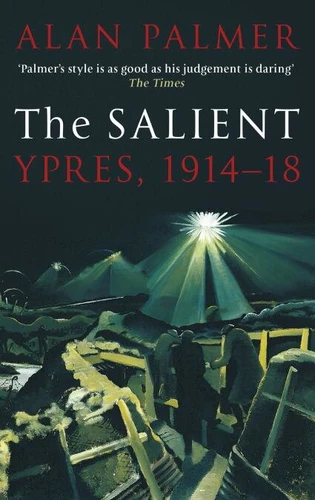
The Salient. Ypres, 1914-18
Par :Formats :
Disponible dans votre compte client Decitre ou Furet du Nord dès validation de votre commande. Le format ePub protégé est :
- Compatible avec une lecture sur My Vivlio (smartphone, tablette, ordinateur)
- Compatible avec une lecture sur liseuses Vivlio
- Pour les liseuses autres que Vivlio, vous devez utiliser le logiciel Adobe Digital Edition. Non compatible avec la lecture sur les liseuses Kindle, Remarkable et Sony
- Non compatible avec un achat hors France métropolitaine
 , qui est-ce ?
Notre partenaire de plateforme de lecture numérique où vous retrouverez l'ensemble de vos ebooks gratuitement
Pour en savoir plus sur nos ebooks, consultez notre aide en ligne ici
C'est si simple ! Lisez votre ebook avec l'app Vivlio sur votre tablette, mobile ou ordinateur :

- Nombre de pages288
- FormatePub
- ISBN978-1-4721-1278-1
- EAN9781472112781
- Date de parution14/08/2013
- Protection num.Adobe DRM
- Infos supplémentairesepub
- ÉditeurConstable
Résumé
Ypres today is an international 'Town of Peace', but in 1914 the town, and the Salient, the 35-mile bulge in the Western Front, of which it is part, saw a 1500-day military campaign of mud and blood at the heart of the First World War that turned it into the devil's nursery. Distinguished biographer and historian of modern Europe Alan Palmer tells the story of the war in Flanders as a conflict that has left a deep social and political mark on the history of Europe.
Denying Germany possession of the historic town of Ypres and access to the Channel coast was crucial to Britain's victory in 1918. But though Flanders battlefields are the closest on the continent to English shores, this was always much more than a narrowly British conflict. Passchendaele, the Menin Road, Hill 60 and the Messines Ridge remain names etched in folk memory. Militarily and tactically the four-year long campaign was innovative and a grim testing ground with constantly changing ideas of strategy and disputes between politicians and generals.
Alan Palmer details all its aspects in an illuminating history of the place as much as the fighting man's experience.
Denying Germany possession of the historic town of Ypres and access to the Channel coast was crucial to Britain's victory in 1918. But though Flanders battlefields are the closest on the continent to English shores, this was always much more than a narrowly British conflict. Passchendaele, the Menin Road, Hill 60 and the Messines Ridge remain names etched in folk memory. Militarily and tactically the four-year long campaign was innovative and a grim testing ground with constantly changing ideas of strategy and disputes between politicians and generals.
Alan Palmer details all its aspects in an illuminating history of the place as much as the fighting man's experience.