SOLDES
Jusqu'à -70% sur une sélection d'articles*

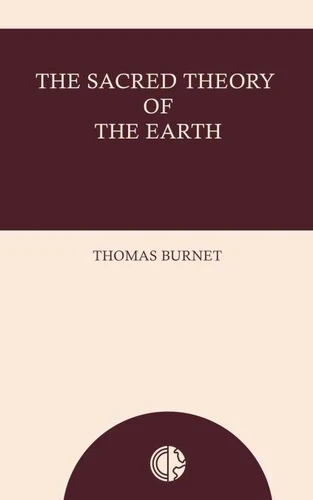
The Sacred Theory of the Earth
Par :Formats :
Disponible dans votre compte client Decitre ou Furet du Nord dès validation de votre commande. Le format ePub est :
- Compatible avec une lecture sur My Vivlio (smartphone, tablette, ordinateur)
- Compatible avec une lecture sur liseuses Vivlio
- Pour les liseuses autres que Vivlio, vous devez utiliser le logiciel Adobe Digital Edition. Non compatible avec la lecture sur les liseuses Kindle, Remarkable et Sony
 , qui est-ce ?
Notre partenaire de plateforme de lecture numérique où vous retrouverez l'ensemble de vos ebooks gratuitement
Pour en savoir plus sur nos ebooks, consultez notre aide en ligne ici
C'est si simple ! Lisez votre ebook avec l'app Vivlio sur votre tablette, mobile ou ordinateur :

- Nombre de pages718
- FormatePub
- ISBN978-2-912253-00-2
- EAN9782912253002
- Date de parution01/04/2026
- Protection num.Digital Watermarking
- Taille589 Ko
- Infos supplémentairesepub
- ÉditeurCLXBX
Résumé
The Sacred Theory of the Earth by Thomas Burnet is a groundbreaking work of early scientific and theological thought, blending natural philosophy with spiritual inquiry. First published in the late 17th century, Burnet's treatise attempts to explain the origins, structure, and ultimate destiny of the Earth through careful observation, reason, and a deep engagement with scripture.
In this seminal work, Burnet challenges conventional views of the cosmos, offering readers a vision of the Earth not merely as a physical entity, but as part of a divine plan.
He explores topics such as the creation of the world, the nature of the elements, the Flood, and the eventual restoration of the Earth, providing a unique perspective that bridges science and faith. The Sacred Theory of the Earth is more than a historical curiosity; it is a window into the intellectual ferment of the Enlightenment era, where reason and religion were in dialogue, and thinkers sought to reconcile empirical observation with spiritual truths.
Burnet's meticulous reasoning, vivid descriptions, and philosophical insight make this work an essential read for anyone interested in the history of science, theology, and the enduring questions about the world we inhabit. Rich in intellectual rigor and imaginative thought, Burnet's treatise remains a cornerstone for scholars and curious readers alike, offering profound reflections on humanity's place in the natural and divine order.
He explores topics such as the creation of the world, the nature of the elements, the Flood, and the eventual restoration of the Earth, providing a unique perspective that bridges science and faith. The Sacred Theory of the Earth is more than a historical curiosity; it is a window into the intellectual ferment of the Enlightenment era, where reason and religion were in dialogue, and thinkers sought to reconcile empirical observation with spiritual truths.
Burnet's meticulous reasoning, vivid descriptions, and philosophical insight make this work an essential read for anyone interested in the history of science, theology, and the enduring questions about the world we inhabit. Rich in intellectual rigor and imaginative thought, Burnet's treatise remains a cornerstone for scholars and curious readers alike, offering profound reflections on humanity's place in the natural and divine order.