
Nouveauté
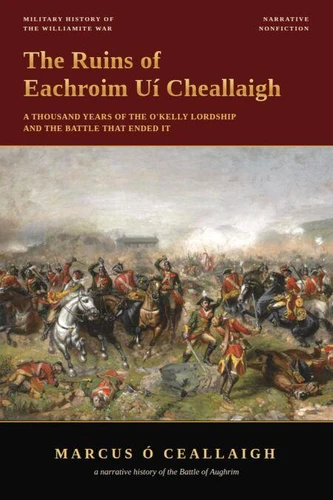
The Ruins of Eachroim Uí Cheallaigh — A Thousand Years of the O'Kelly Lordship and the Battle That Ended It
Par :Formats :
Disponible dans votre compte client Decitre ou Furet du Nord dès validation de votre commande. Le format ePub est :
- Compatible avec une lecture sur My Vivlio (smartphone, tablette, ordinateur)
- Compatible avec une lecture sur liseuses Vivlio
- Pour les liseuses autres que Vivlio, vous devez utiliser le logiciel Adobe Digital Edition. Non compatible avec la lecture sur les liseuses Kindle, Remarkable et Sony
 , qui est-ce ?
Notre partenaire de plateforme de lecture numérique où vous retrouverez l'ensemble de vos ebooks gratuitement
Pour en savoir plus sur nos ebooks, consultez notre aide en ligne ici
C'est si simple ! Lisez votre ebook avec l'app Vivlio sur votre tablette, mobile ou ordinateur :

- FormatePub
- ISBN8235368958
- EAN9798235368958
- Date de parution18/07/2026
- Protection num.pas de protection
- Infos supplémentairesepub
- ÉditeurIoakim Ioakim
Résumé
On July 12, 1691, a Williamite cannonball ended more than a battle. It ended a thousand years of Gaelic sovereignty, though the family whose name the ground already carried would not surrender easily, and would not surrender in silence. The Ruins of Eachroim Uí Cheallaigh traces the O'Kelly lordship of Uí Maine across fifteen centuries - from a legendary migration out of fourth-century Ulster, through a chieftain's dying vow at Clontarf, through a fourteenth-century feast so lavish it gave the Irish language a proverb for hospitality, to the catastrophic afternoon at Aughrim when four hundred kinsmen fell defending ground that Gaelic tradition had long called simply "O'Kelly's." It follows Colonel Charles O'Kelly, a Jesuit-educated soldier-scholar who survived the slaughter and answered it not with silence but with Macariae Excidium - a secret history of the war disguised as classical epic, written to ensure the dead would be remembered as tragedy rather than footnote.
And it follows what came after: confiscation, conformity, a forced sale to a stranger's fortune from the Australian goldfields, and finally, exile - Irish blood carrying an ancient name into the courts and universities of continental Europe, long after the ancestral castle became, of all things, an agricultural college. A sweeping history of dynasty, defeat, and the stubborn work of memory.
And it follows what came after: confiscation, conformity, a forced sale to a stranger's fortune from the Australian goldfields, and finally, exile - Irish blood carrying an ancient name into the courts and universities of continental Europe, long after the ancestral castle became, of all things, an agricultural college. A sweeping history of dynasty, defeat, and the stubborn work of memory.