
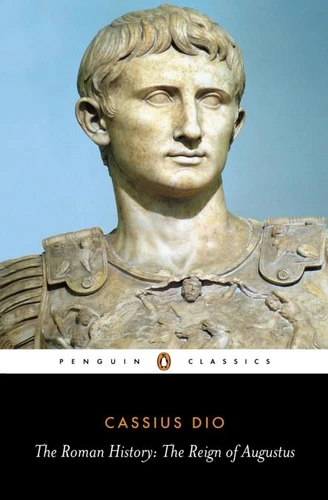
The Roman History. The Reign of Augustus
Par : , ,Formats :
Disponible dans votre compte client Decitre ou Furet du Nord dès validation de votre commande. Le format ePub protégé est :
- Compatible avec une lecture sur My Vivlio (smartphone, tablette, ordinateur)
- Compatible avec une lecture sur liseuses Vivlio
- Pour les liseuses autres que Vivlio, vous devez utiliser le logiciel Adobe Digital Edition. Non compatible avec la lecture sur les liseuses Kindle, Remarkable et Sony
- Non compatible avec un achat hors France métropolitaine
 , qui est-ce ?
Notre partenaire de plateforme de lecture numérique où vous retrouverez l'ensemble de vos ebooks gratuitement
Pour en savoir plus sur nos ebooks, consultez notre aide en ligne ici
C'est si simple ! Lisez votre ebook avec l'app Vivlio sur votre tablette, mobile ou ordinateur :

- Nombre de pages368
- FormatePub
- ISBN0-14-045567-1
- EAN9780140455670
- Date de parution26/02/1987
- Protection num.Adobe DRM
- Infos supplémentairesepub
- ÉditeurPENGUIN
Résumé
Augustus Caesar, the first emperor of Rome (27 BC-AD 14), brought peace and prosperity to his city after decades of savage civil war. This selection from Cassius Dio's Roman History gives the fullest description of that long struggle and ultimate triumph - detailing the brutal battles and political feuds that led to the collapse of Rome's 400-year-old republic, and Augustus' subsequent reign as emperor.
Included are accounts of military campaigns from Ethiopia to Yugoslavia, and of long conflict with Antony and Cleopatra. With skill and artistry, Dio brings to life many speeches from the era - among them Augustus' damning indictment of Antony's passion for the Egyptian queen - and provides a fascinating account of the debate between the great general Agrippa and Maecenas on the virtues of republicanism and monarchy.
Included are accounts of military campaigns from Ethiopia to Yugoslavia, and of long conflict with Antony and Cleopatra. With skill and artistry, Dio brings to life many speeches from the era - among them Augustus' damning indictment of Antony's passion for the Egyptian queen - and provides a fascinating account of the debate between the great general Agrippa and Maecenas on the virtues of republicanism and monarchy.