SOLDES
Jusqu'à -70% sur une sélection d'articles*

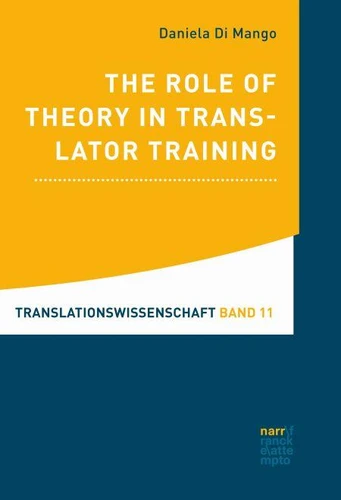
The Role of Theory in Translator Training
Par :Formats :
Disponible dans votre compte client Decitre ou Furet du Nord dès validation de votre commande. Le format PDF est :
- Compatible avec une lecture sur My Vivlio (smartphone, tablette, ordinateur)
- Compatible avec une lecture sur liseuses Vivlio
- Pour les liseuses autres que Vivlio, vous devez utiliser le logiciel Adobe Digital Edition. Non compatible avec la lecture sur les liseuses Kindle, Remarkable et Sony
 , qui est-ce ?
Notre partenaire de plateforme de lecture numérique où vous retrouverez l'ensemble de vos ebooks gratuitement
Pour en savoir plus sur nos ebooks, consultez notre aide en ligne ici
C'est si simple ! Lisez votre ebook avec l'app Vivlio sur votre tablette, mobile ou ordinateur :

- Nombre de pages440
- FormatPDF
- ISBN978-3-8233-9161-6
- EAN9783823391616
- Date de parution26/11/2018
- Protection num.Digital Watermarking
- Taille7 Mo
- Infos supplémentairespdf
- ÉditeurGunter Narr Verlag
Résumé
Translation study programs have always been torn between the expectations placed on them to provide students with a comprehensive education at an academic level but at the same time to prepare them for the demands of the professional translation market. There is, furthermore, an ongoing debate about a supposed gap between translation theory and practice. Several, often opposing claims have been put forward concerning the usefulness of theory to professionals and students and how and when to best implement theoretical courses in translation curricula.
The aim of this book is to provide an overview of the different opinions and expectations that have been put forward in the literature and to test some of these claims empirically on student subjects who have been trained with either a practical or a theoretical focus on translation. It thus gives insights into the role of both theoretical and practical aspects in translator training and the ways in which each of them can contribute to the development of translation competence.
The aim of this book is to provide an overview of the different opinions and expectations that have been put forward in the literature and to test some of these claims empirically on student subjects who have been trained with either a practical or a theoretical focus on translation. It thus gives insights into the role of both theoretical and practical aspects in translator training and the ways in which each of them can contribute to the development of translation competence.